UpLink
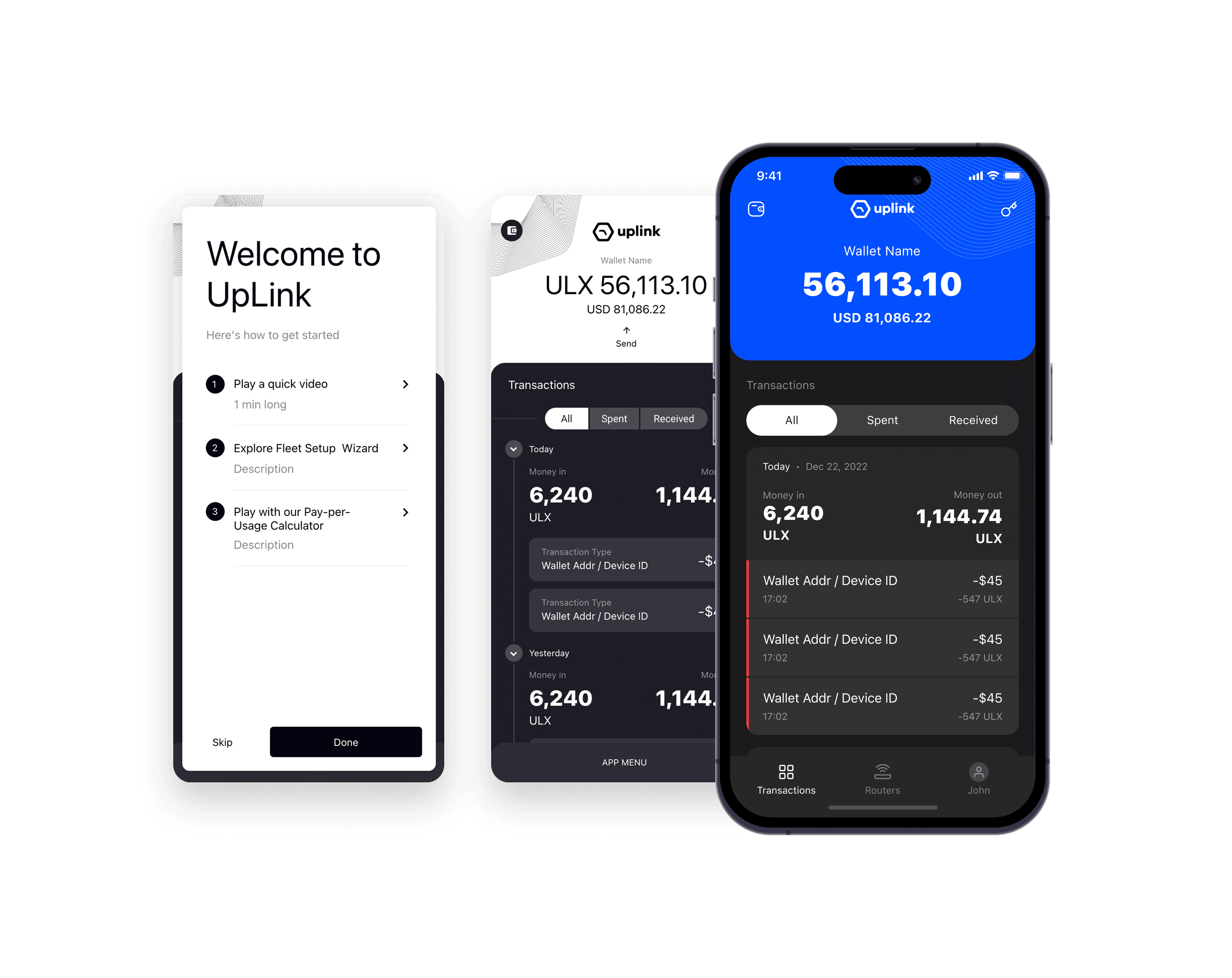
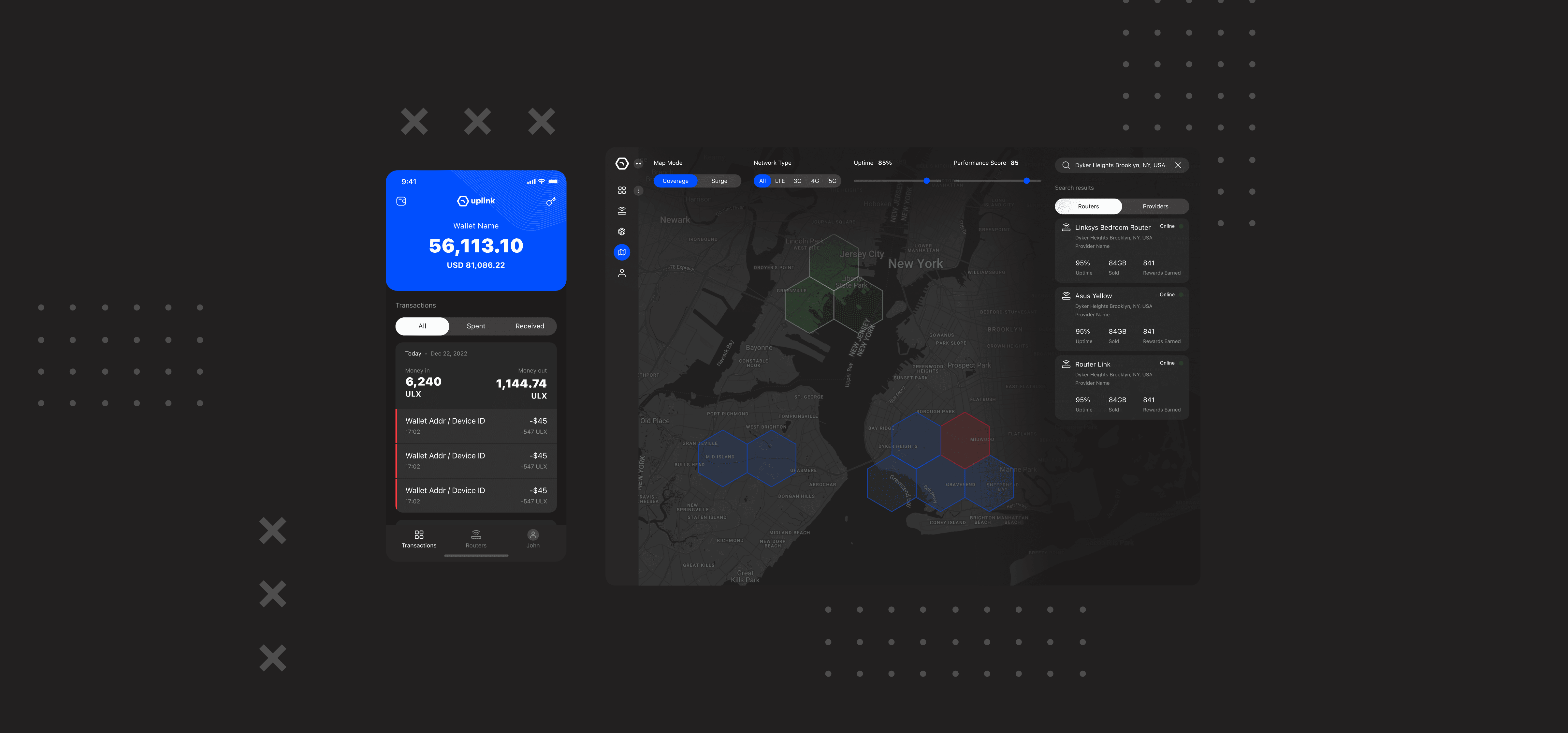
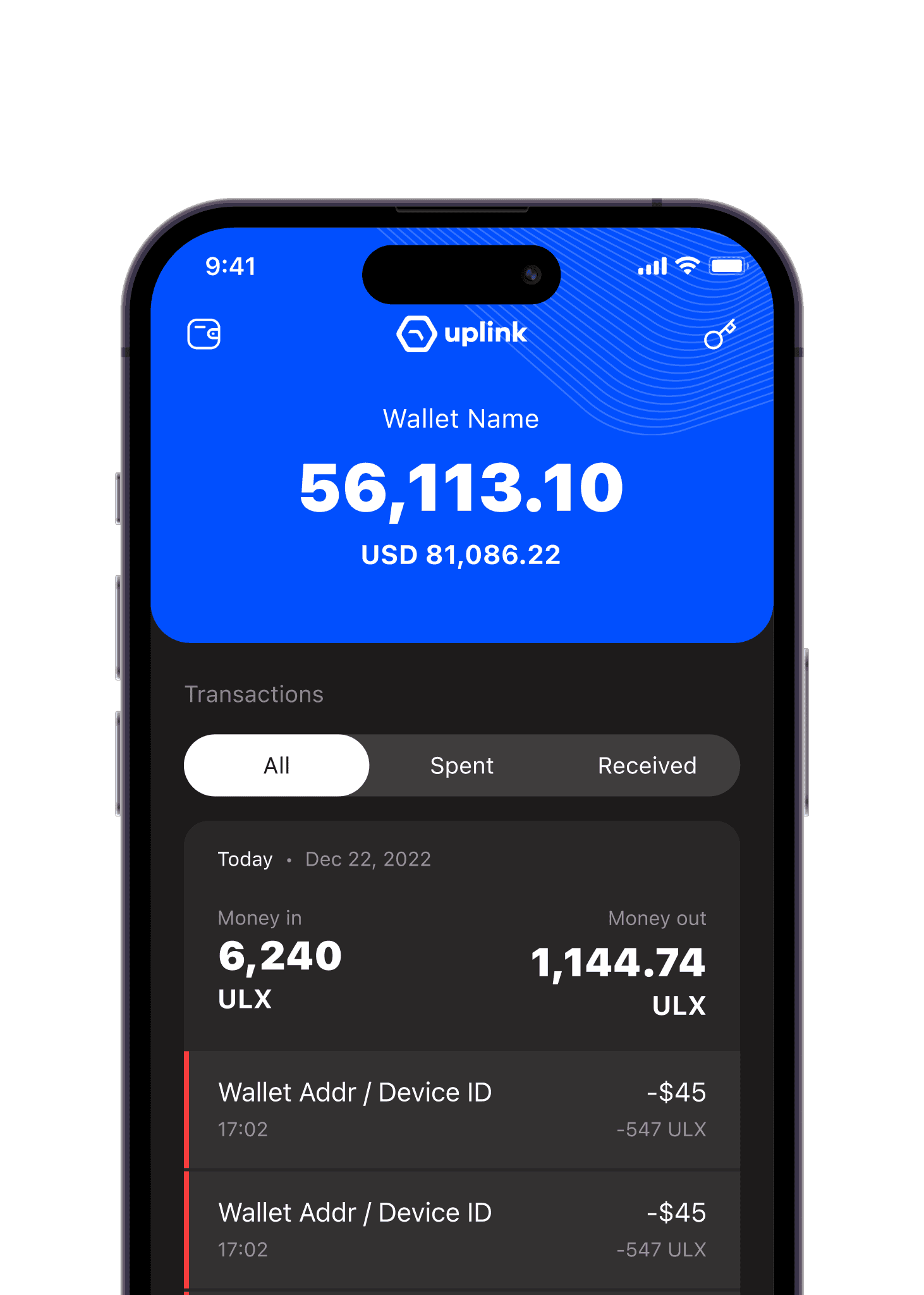
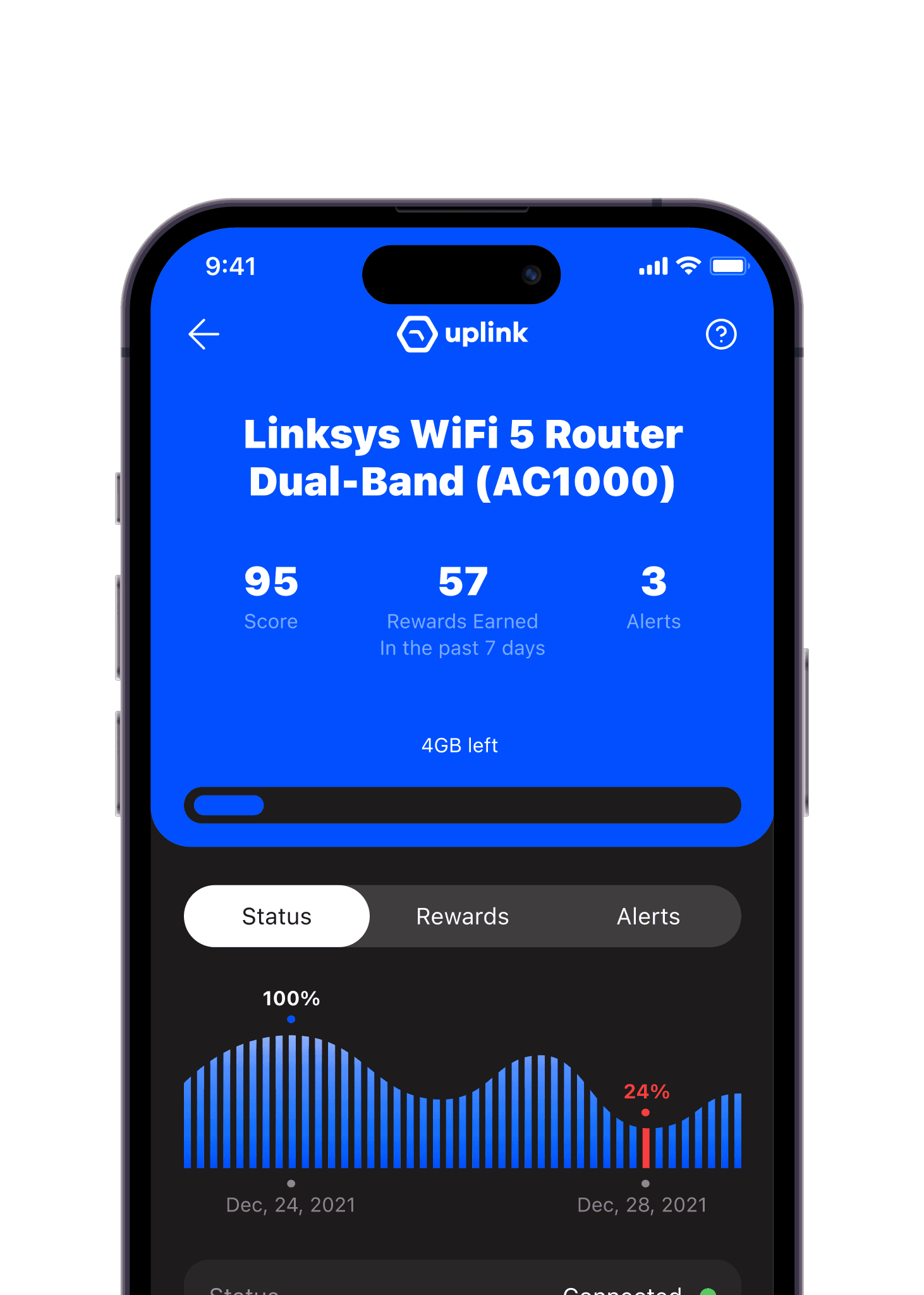
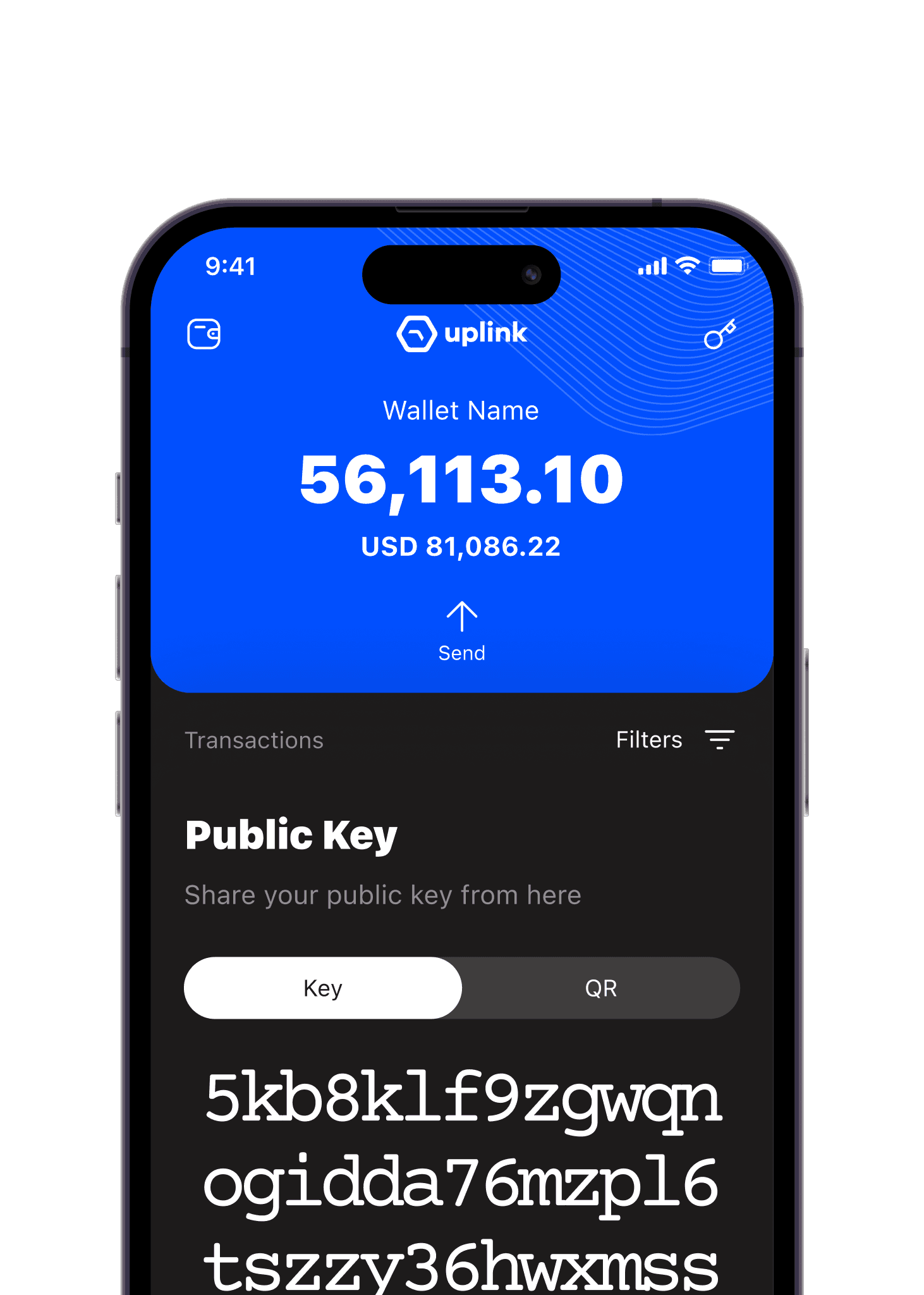
Uplink enables a seamless exchange between connectivity and digital value by allowing users to trade its native token (ULX) for internet access within the network. Instead of relying on traditional telecom billing, users can spend ULX to tap into community-powered hotspots or shared routers, creating a decentralized marketplace for data. This model turns bandwidth into an accessible, on-chain resource—rewarding contributors while giving users a flexible, token-based way to stay connected.
More than a third of mobile users (68%) reported using their data abroad. Without an international plan, users can face very high costs, such as thousands of dollars per week. Uplink’s business model and network growth depends on onboarded providers registering routers quickly as well as users finding those routers and accessing the data connection easily.

The design focuses on two core user personas, each with distinct needs and motivations: 1. Token-Savvy Digital Explorers - Tech-curious individuals aged 20–40 who are comfortable with mobile technology, crypto wallets, and tokenized ecosystems. They’re early adopters who value affordable, flexible, and borderless internet access. 2. Bandwidth Contributors / Router Owners - Users with stable home Wi-Fi who want to earn passive rewards by sharing unused bandwidth. This includes students, remote workers, side-hustlers, and individuals interested in Web3-driven earning opportunities.
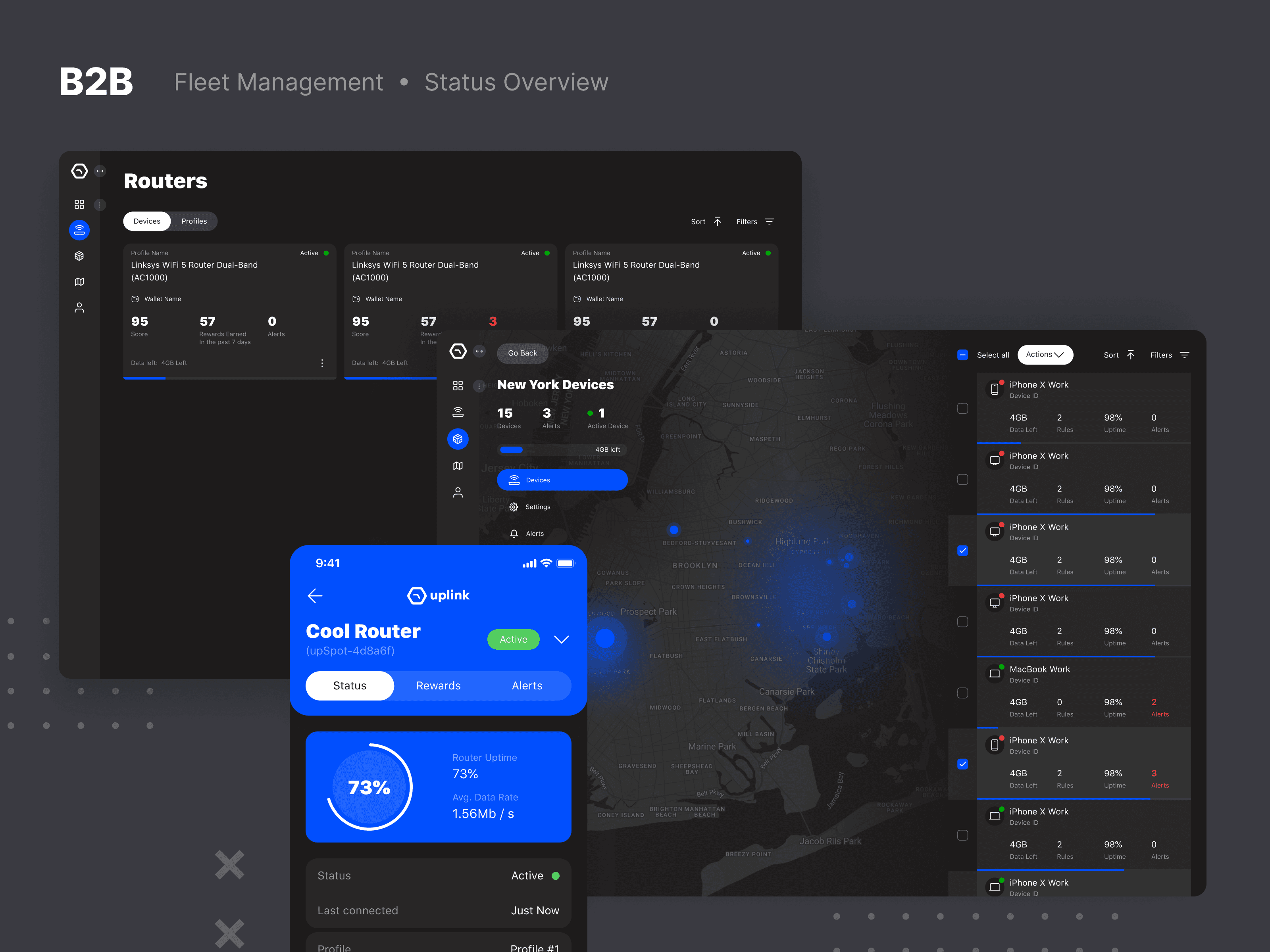
With the two primary personas defined the design process focused on understanding and addressing their distinct behaviors, needs, and pain points. These personas acted as anchors throughout the entire workflow, influencing decisions from early discovery to final validation.
The design process included:
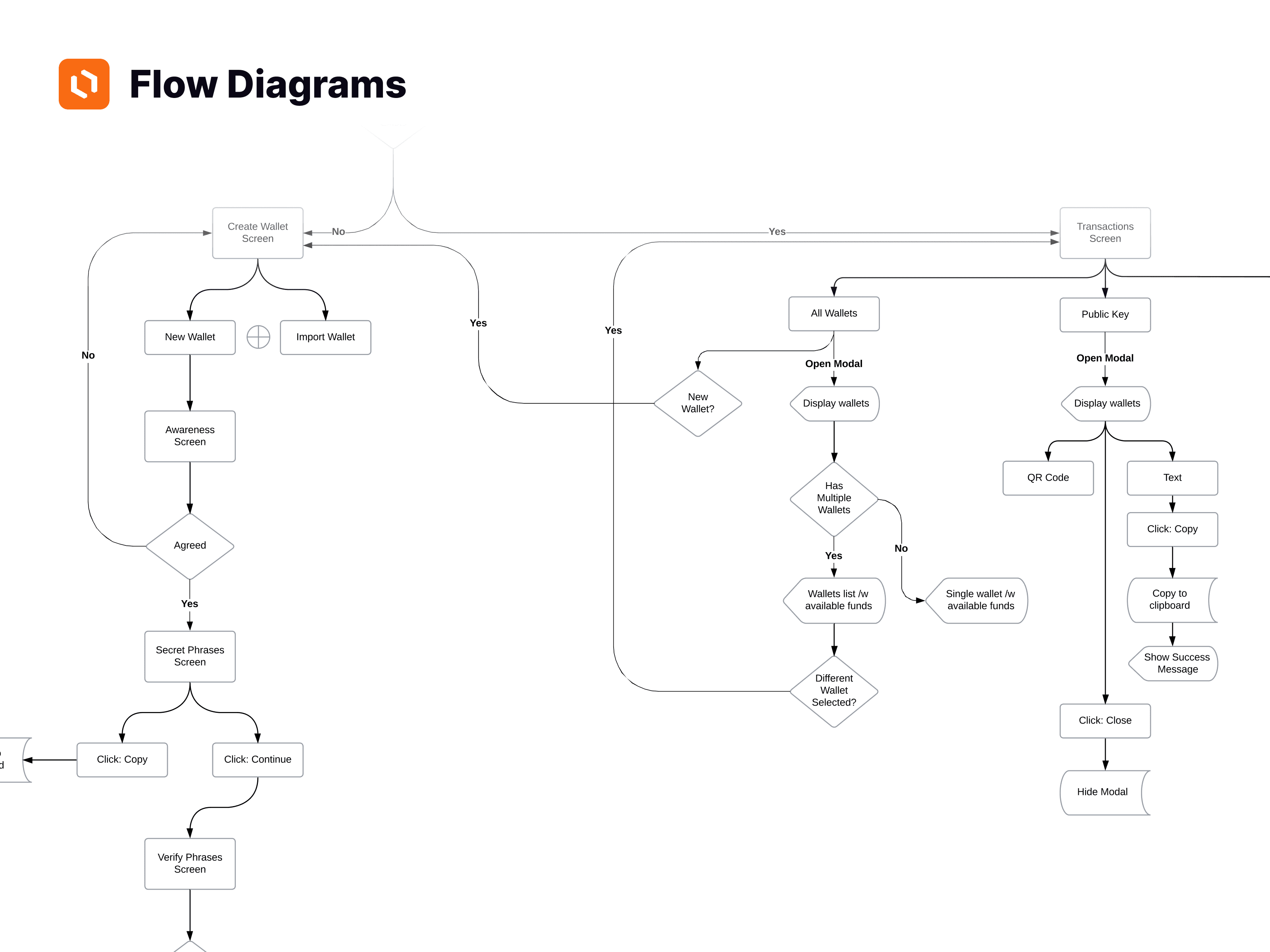
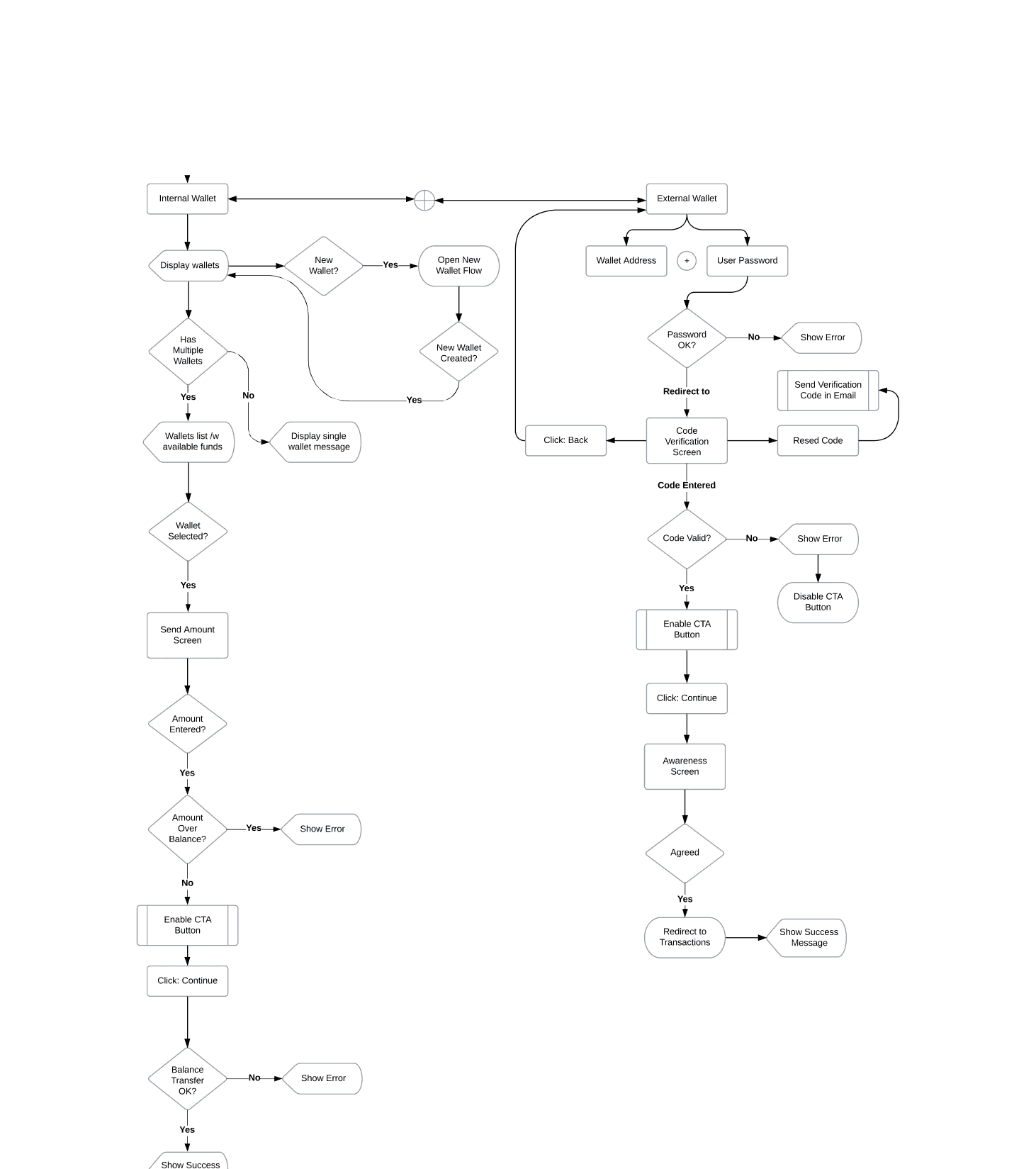
Flow Diagrams: Mapping user journeys and interactions.
Low-Fidelity Wireframes: Quick layouts to explore structure and functionality.
Prototypes & User Testing: Interactive mockups validated with real users.
High-Resolution UI & Prototypes: Polished designs ready for stakeholder review.
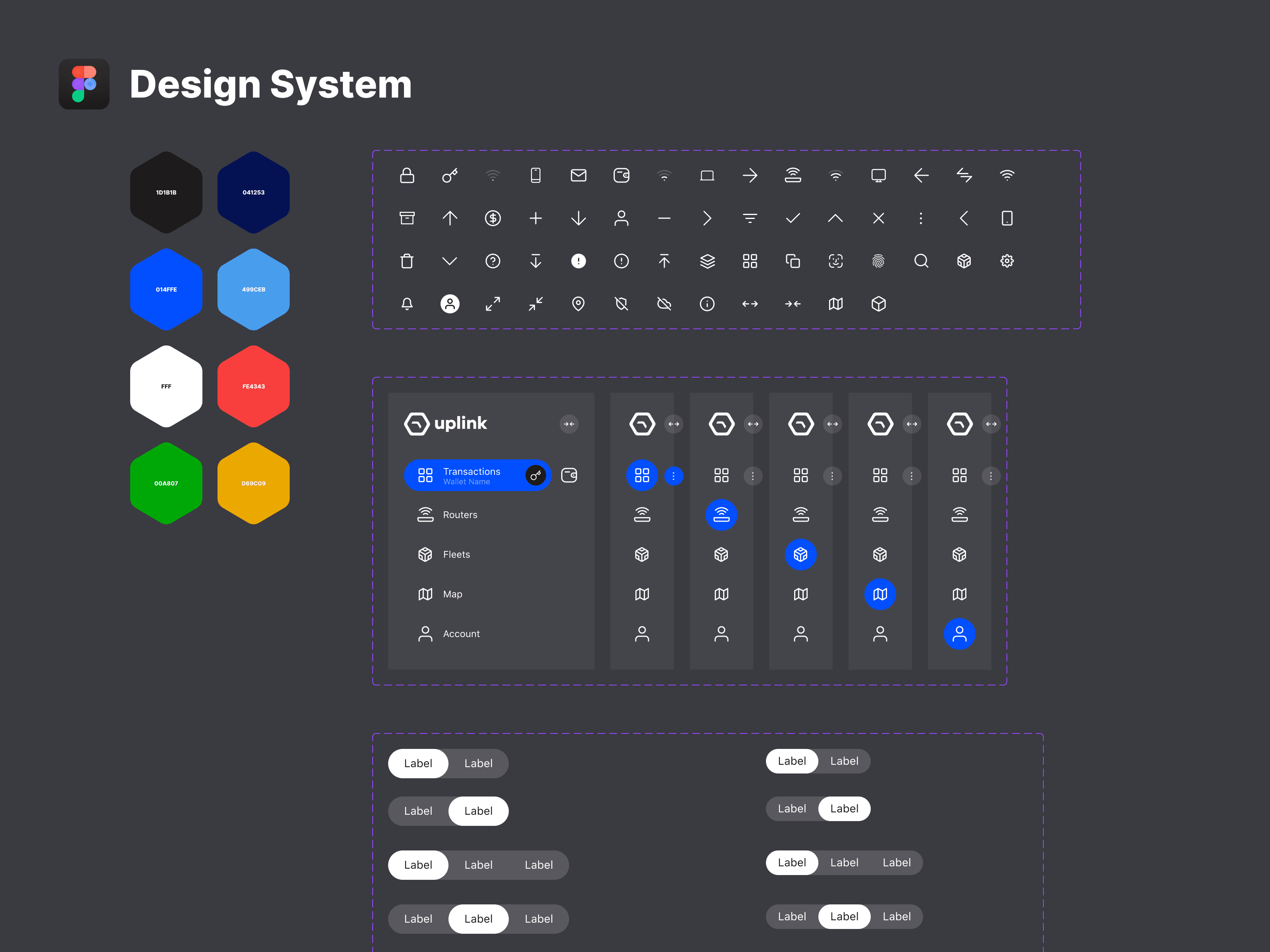
Design System Creation: Consistent components, typography, and UI patterns.
Developer Handoff: Organized assets and documentation for smooth implementation.
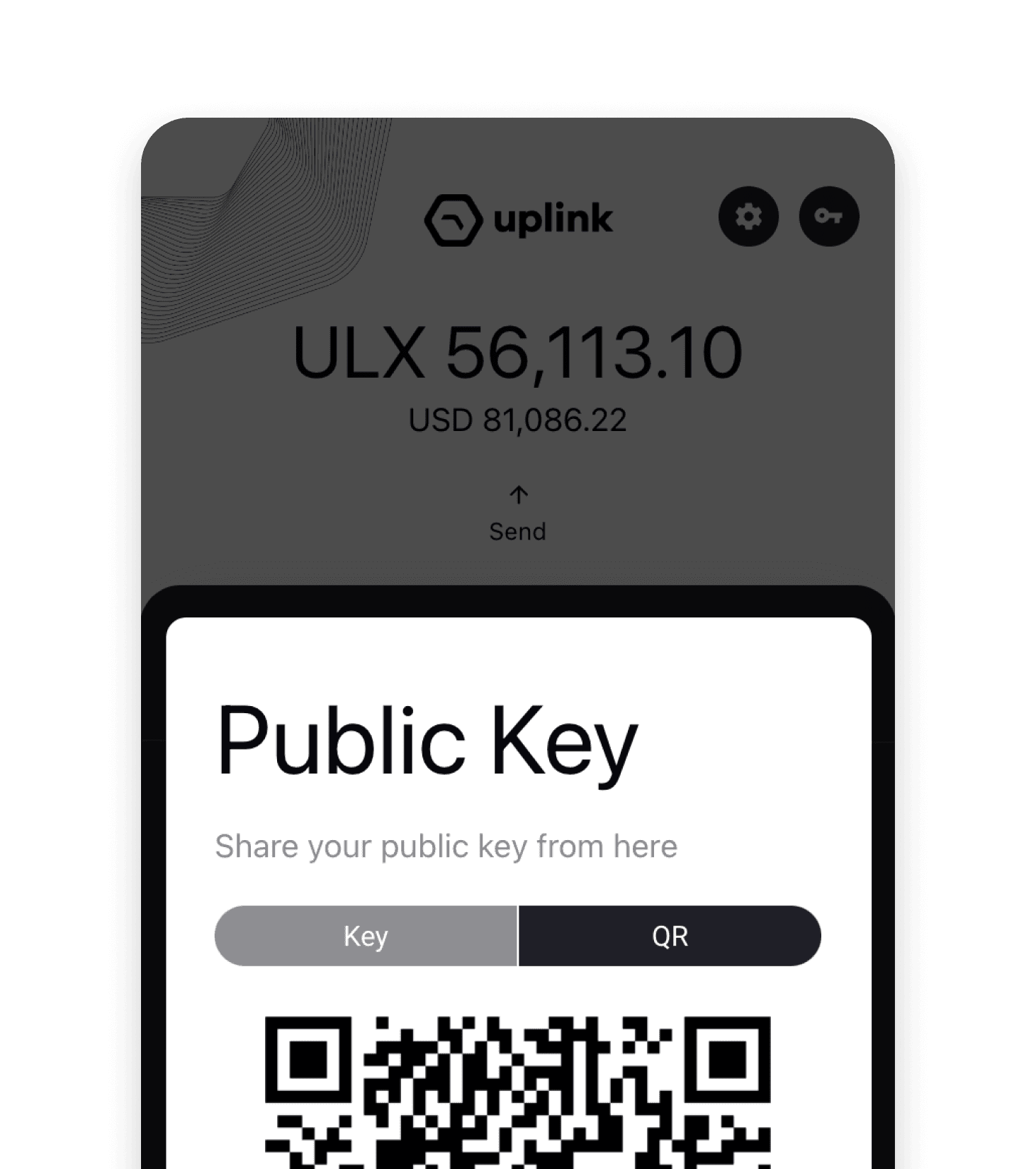
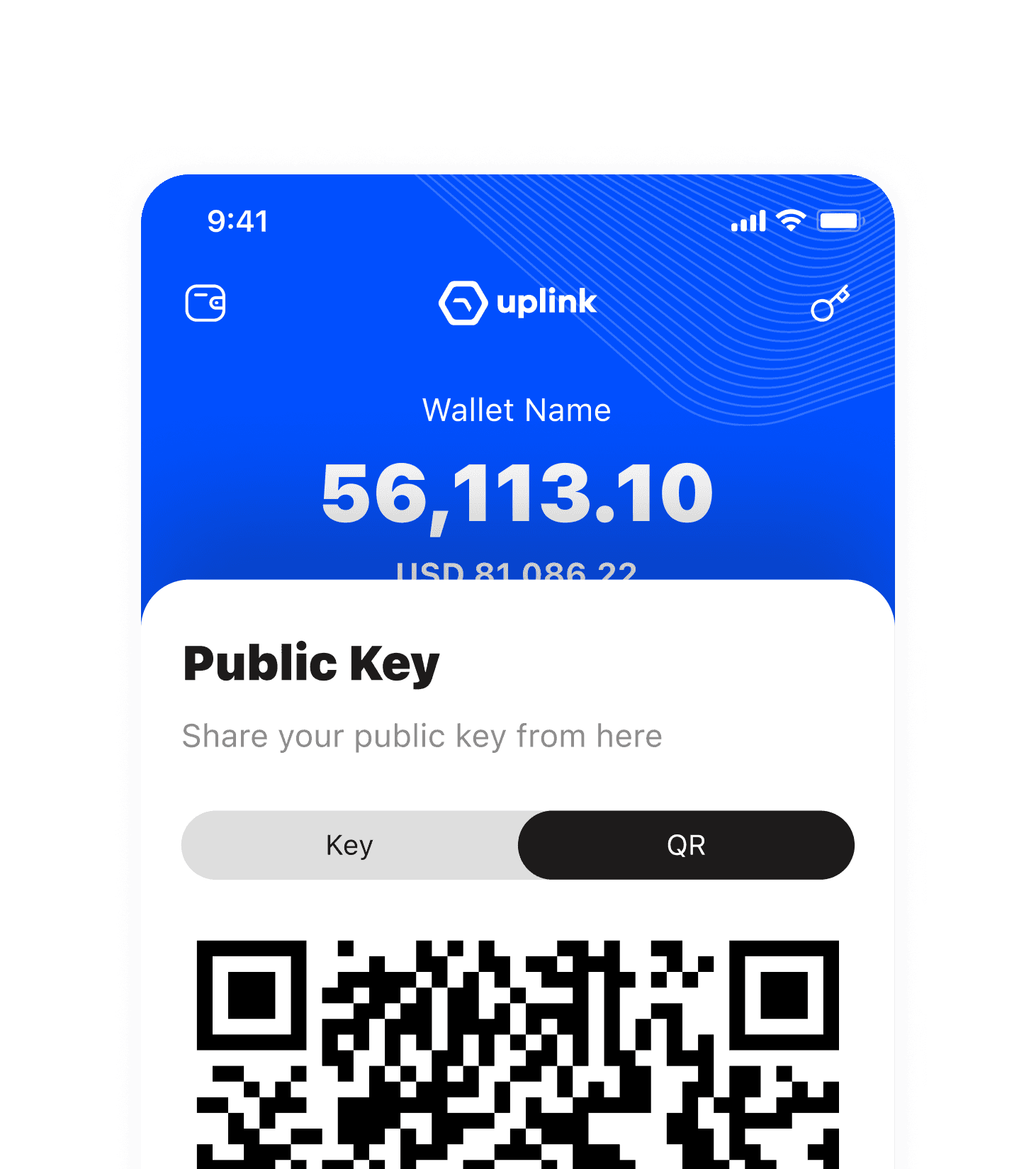
After completing the design process, several key outcomes and insights emerged. These highlight how the redesigned onboarding flow, visual guides, and trust-focused UI improvements positively impacted user behavior, engagement, and overall adoption.
Clearer User Understanding
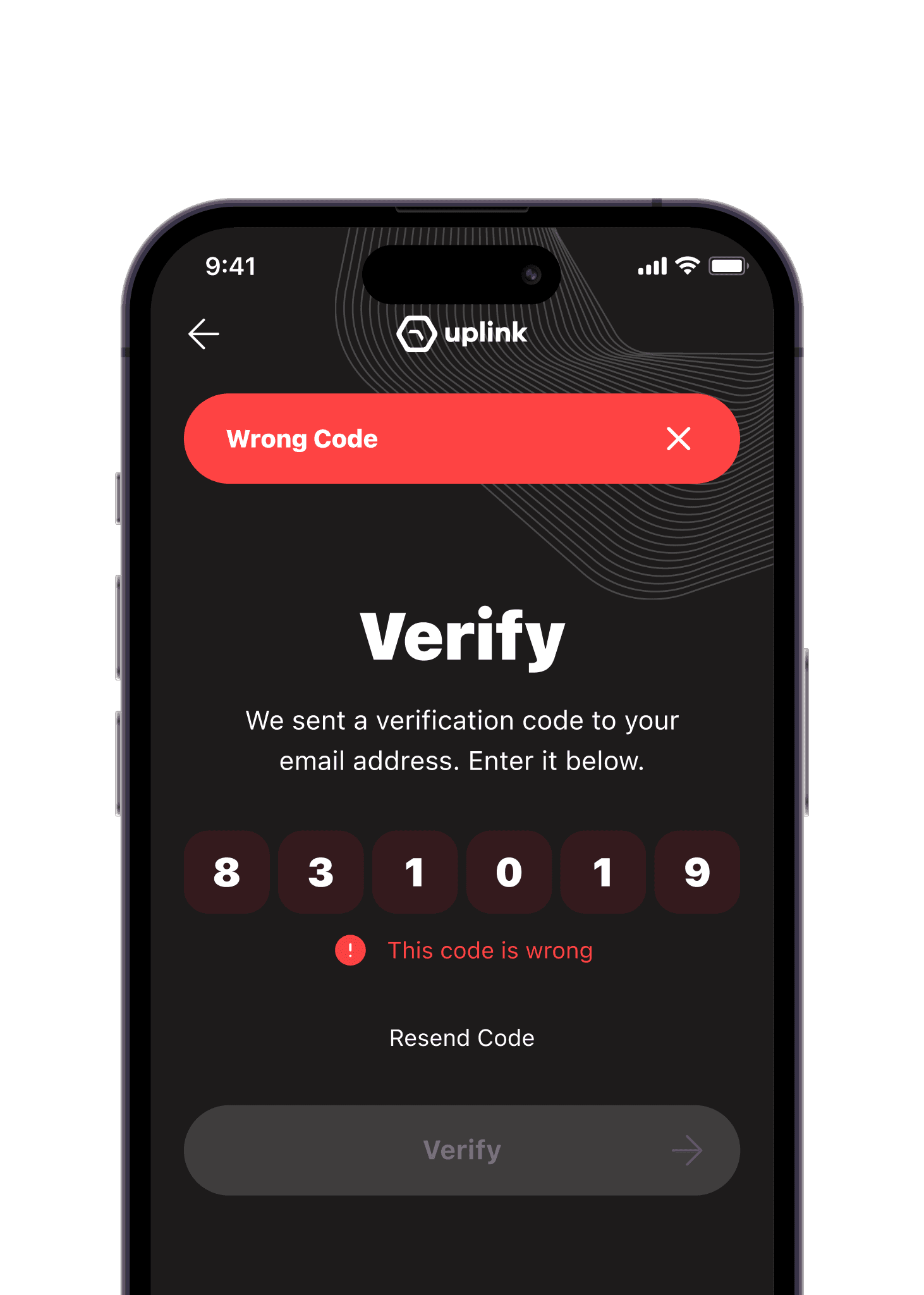
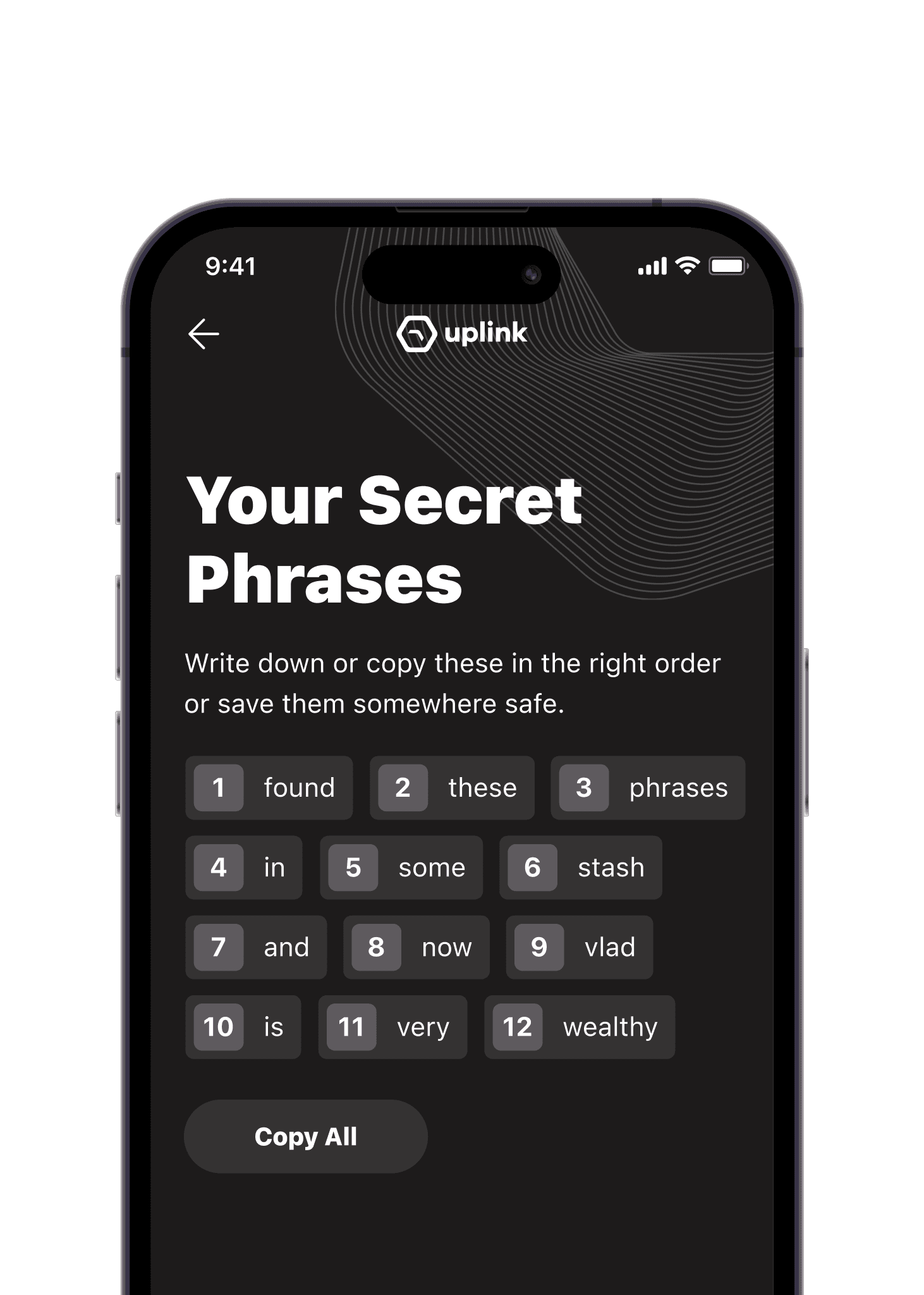
Increased Trust & Confidence
Higher Conversion & Completion
Faster Onboarding