
StubHub
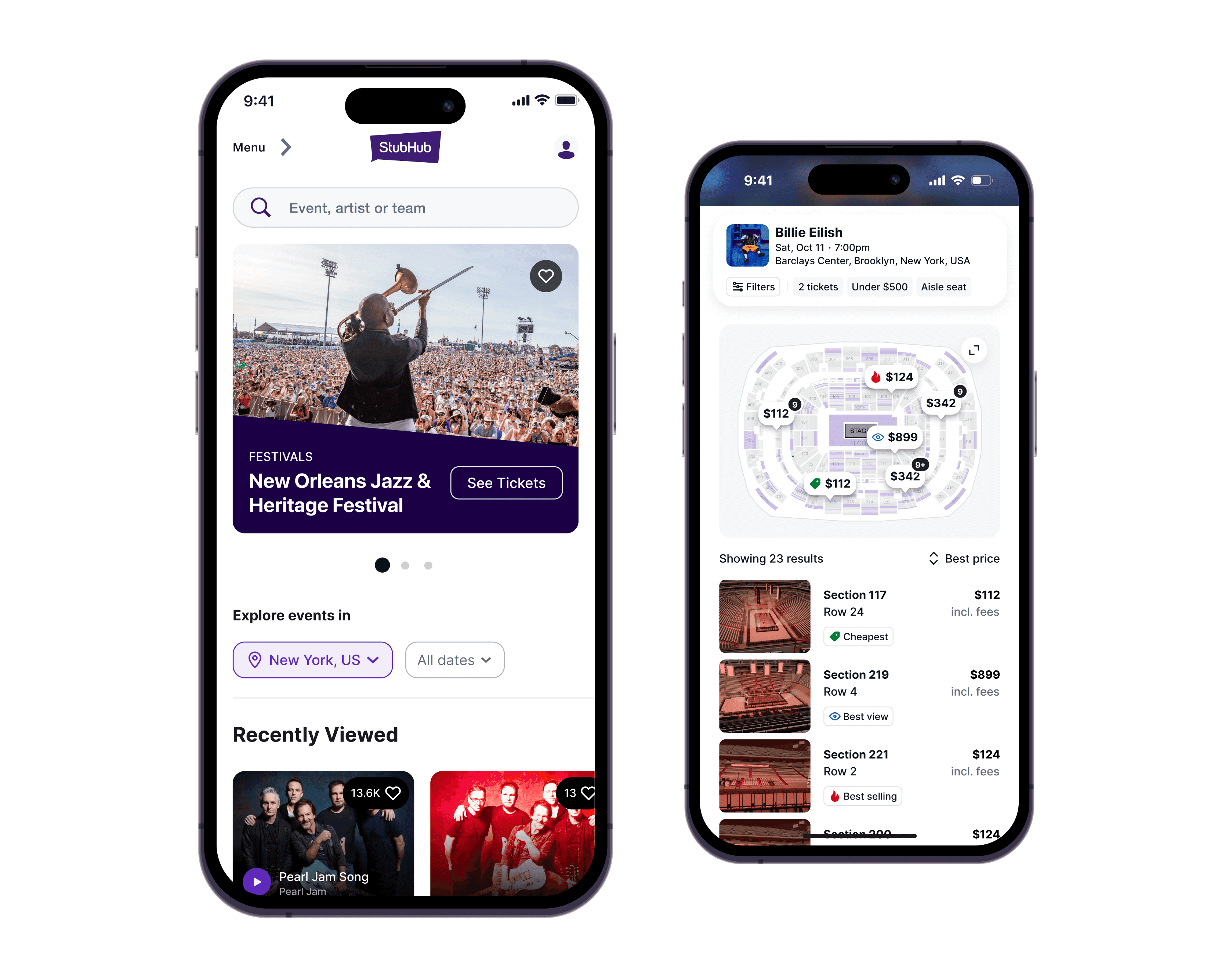
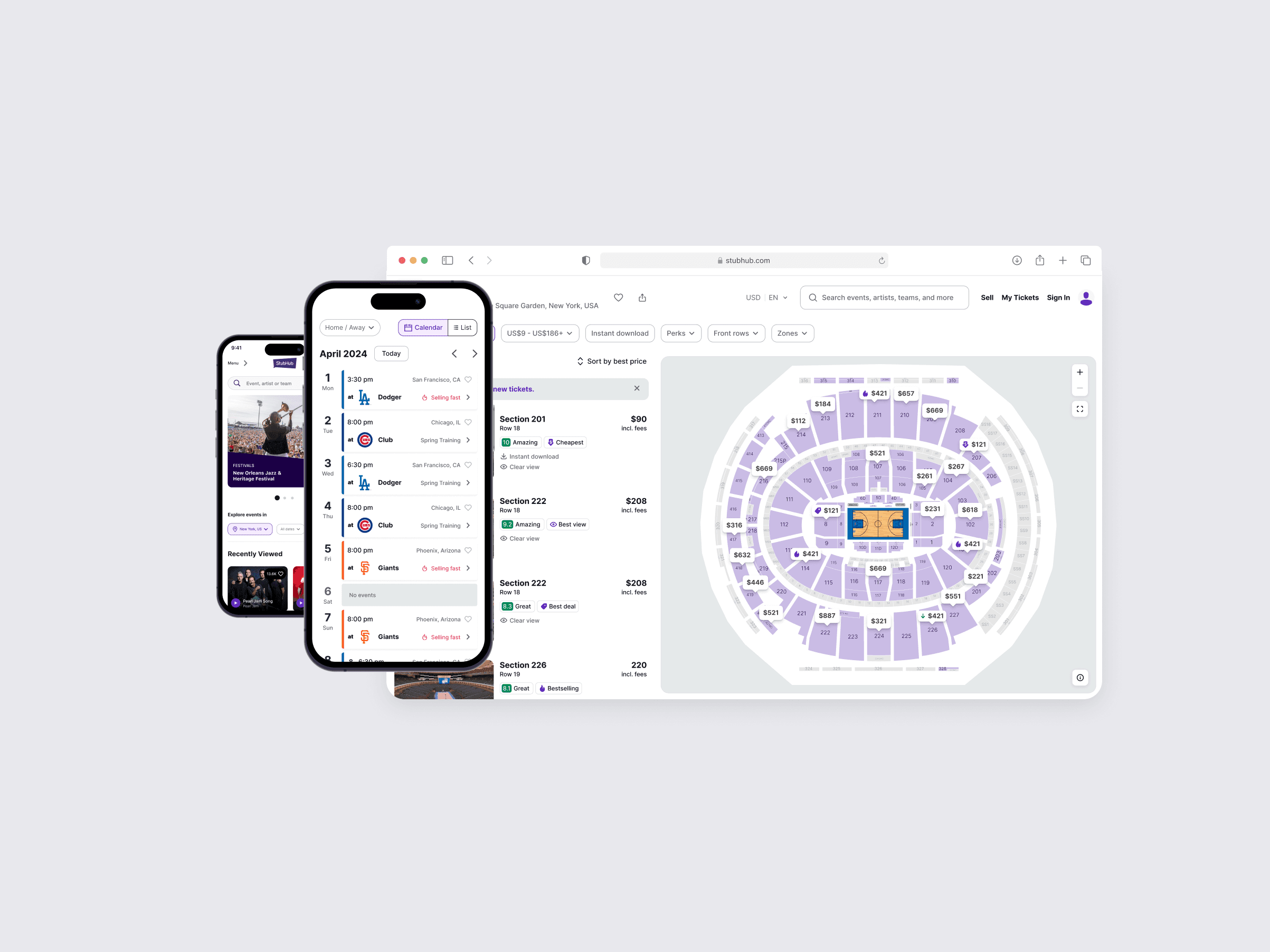
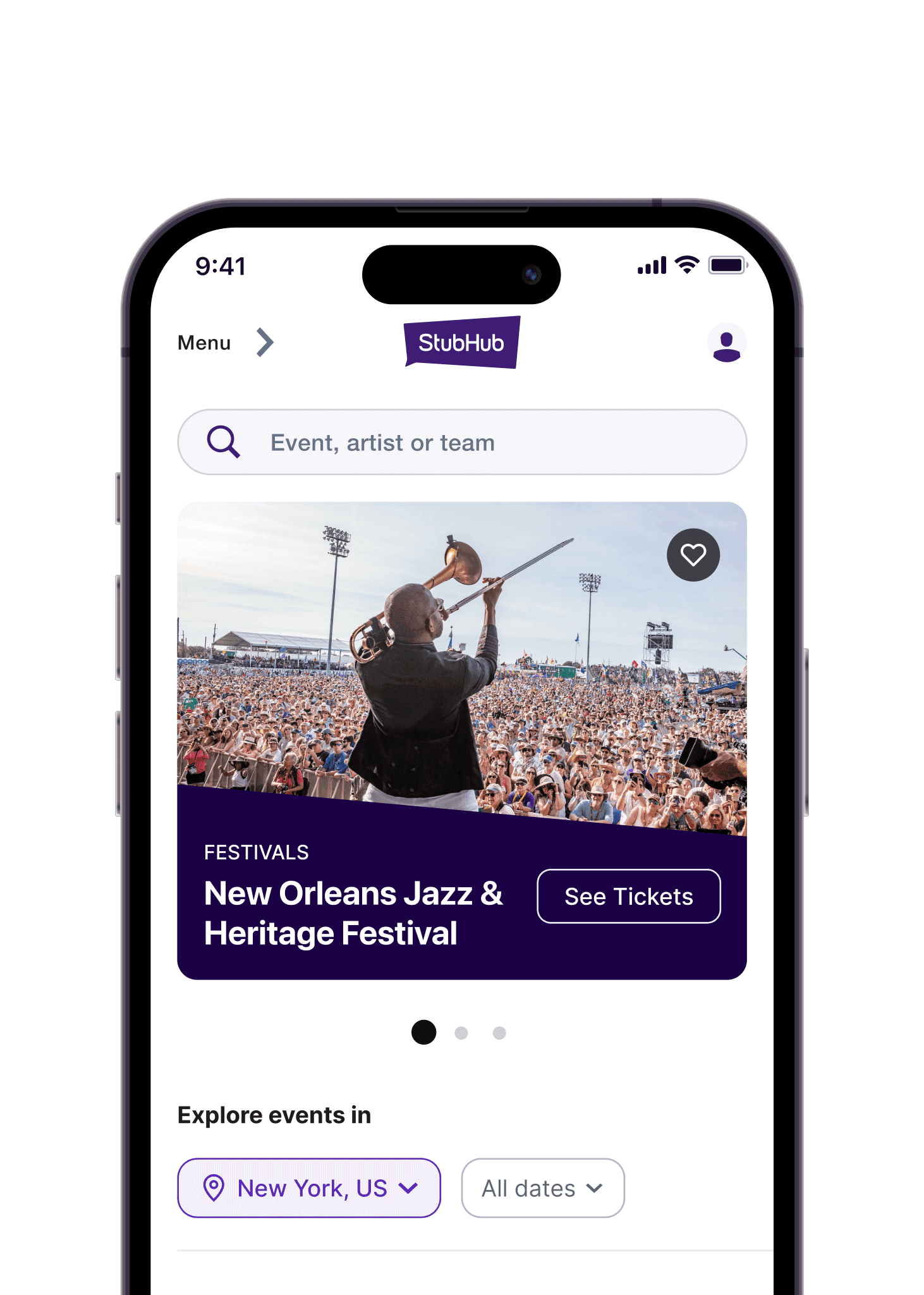
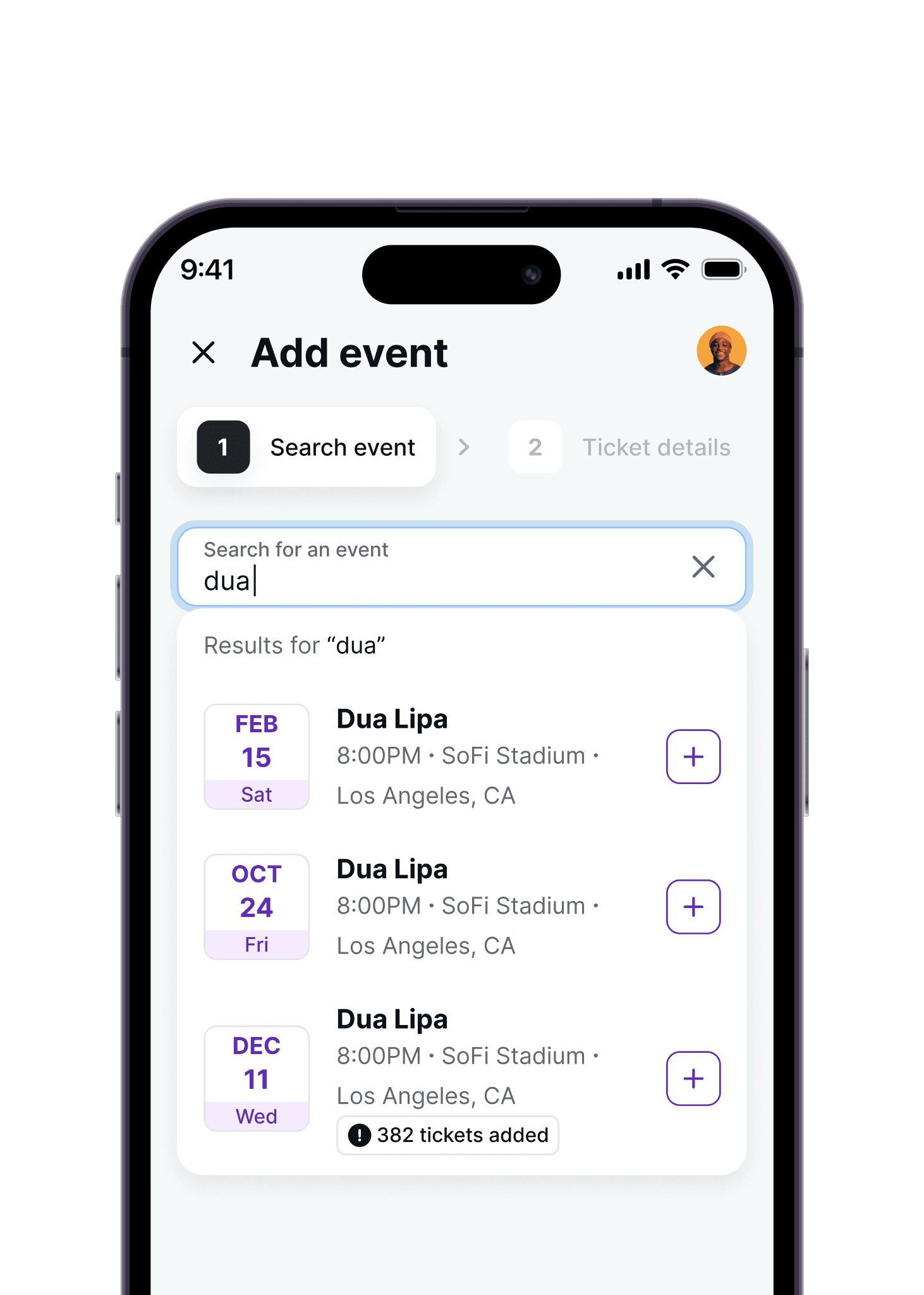
As a Lead Product Designer at StubHub, I helped shape how millions of fans buy and sell tickets online. I worked closely with product, engineering, and research teams to design smooth, intuitive experiences that made discovering and purchasing live events effortless. From refining the checkout flow to improving how sellers manage their listings, I focused on creating simple, human-centered designs that balanced business goals with user needs. I also played a key role in building a unified design system, helping our teams move faster and stay consistent across web and mobile.
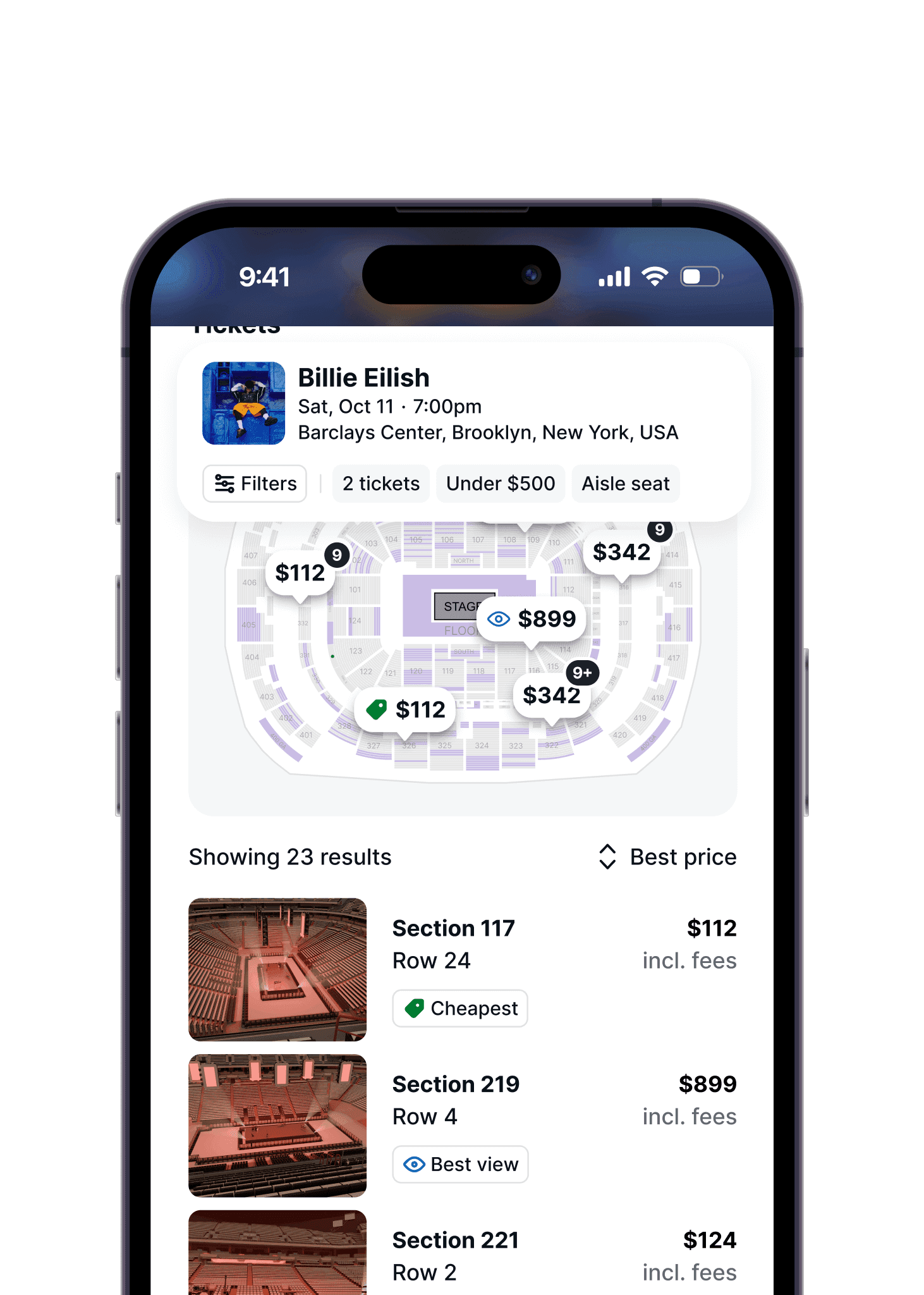
Users struggle to confidently choose the right tickets because the current discovery and seat-comparison experience might not always clearly communicate value, view quality, or fees. This leads to hesitation, longer decision times, and lower conversion rates. Users also feel uncertain about the authenticity of tickets and the reliability of sellers due to limited trust signals in the interface. This reduces buyer confidence and increases customer support inquiries before purchase.
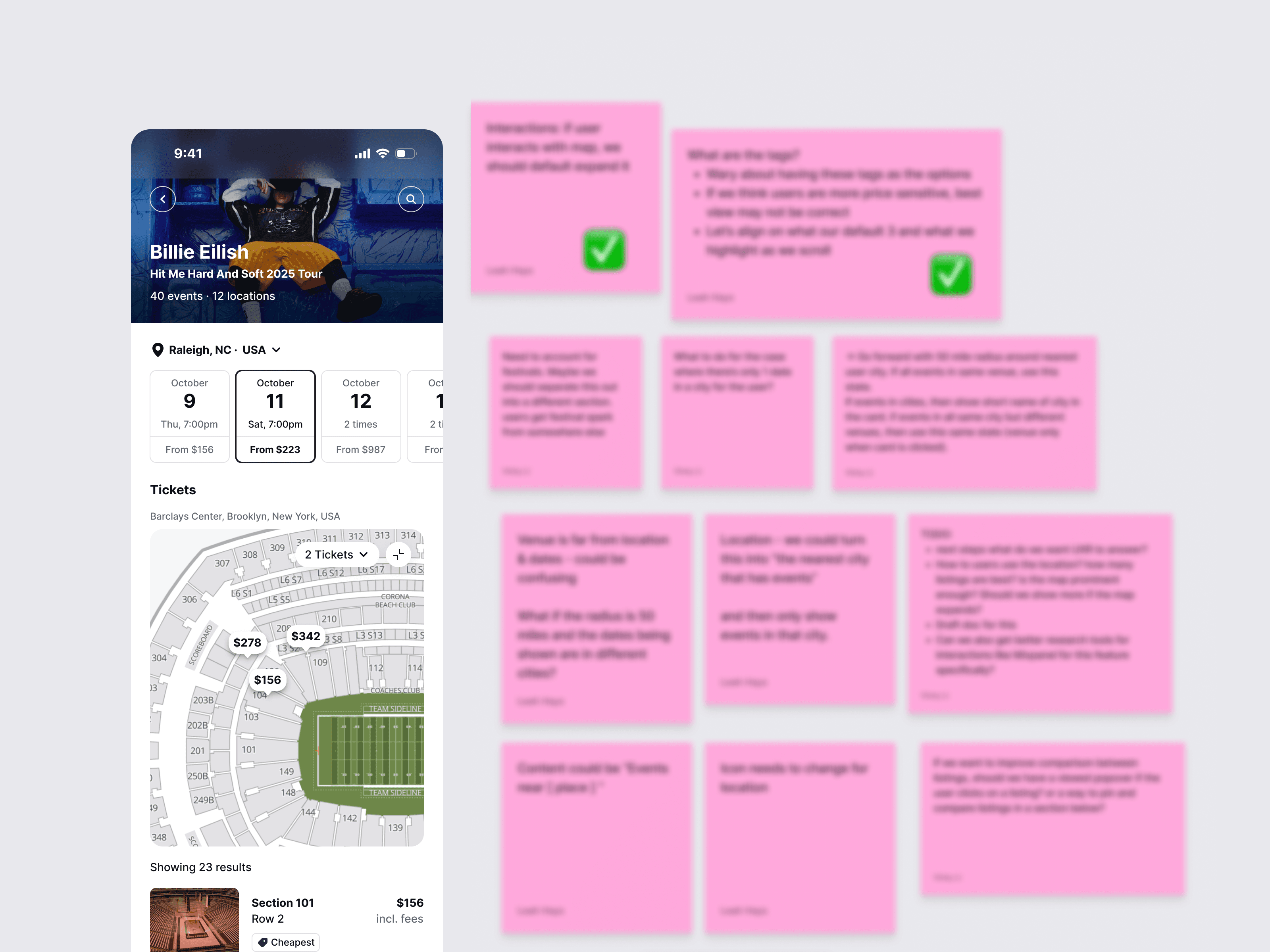
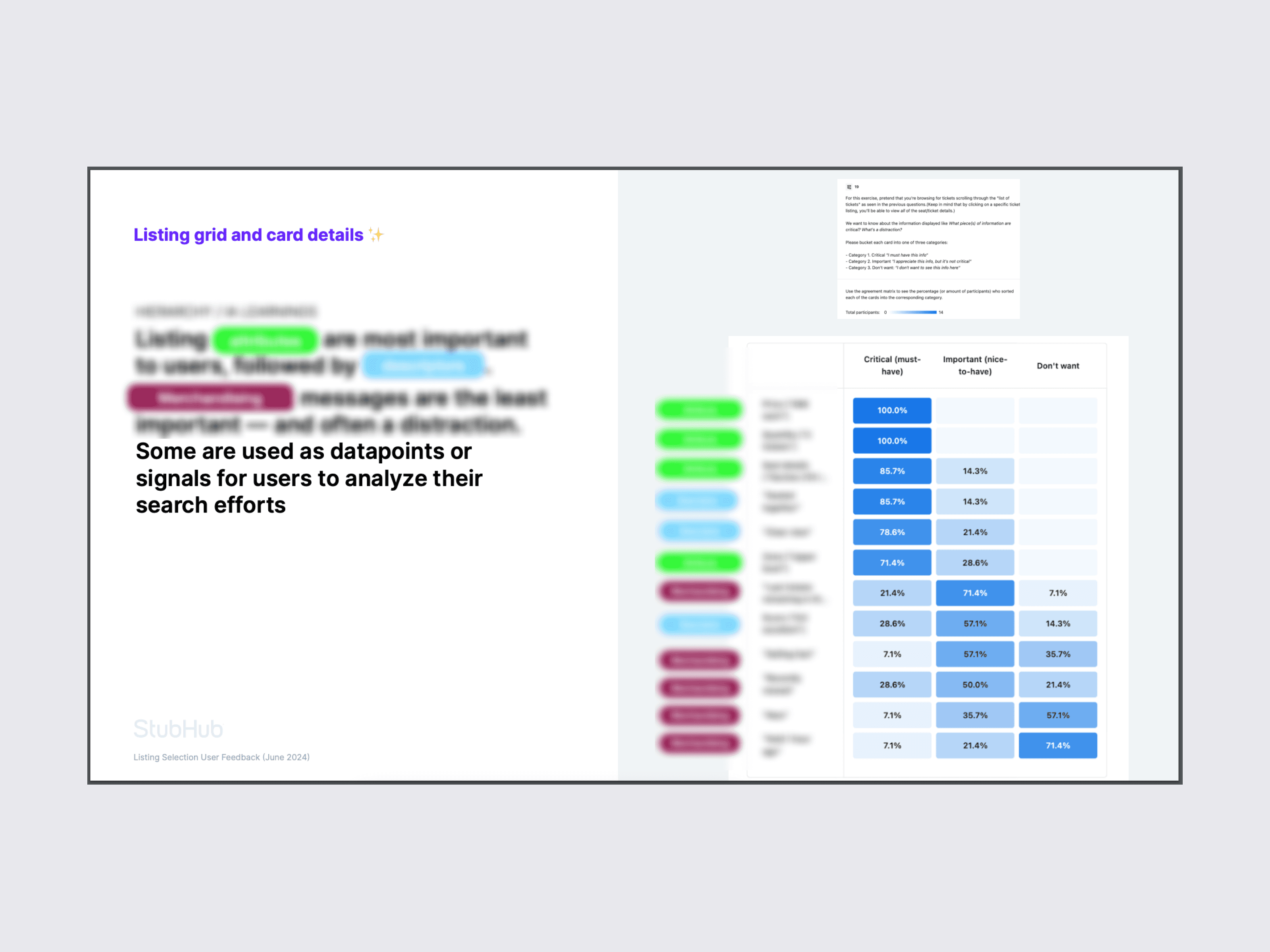
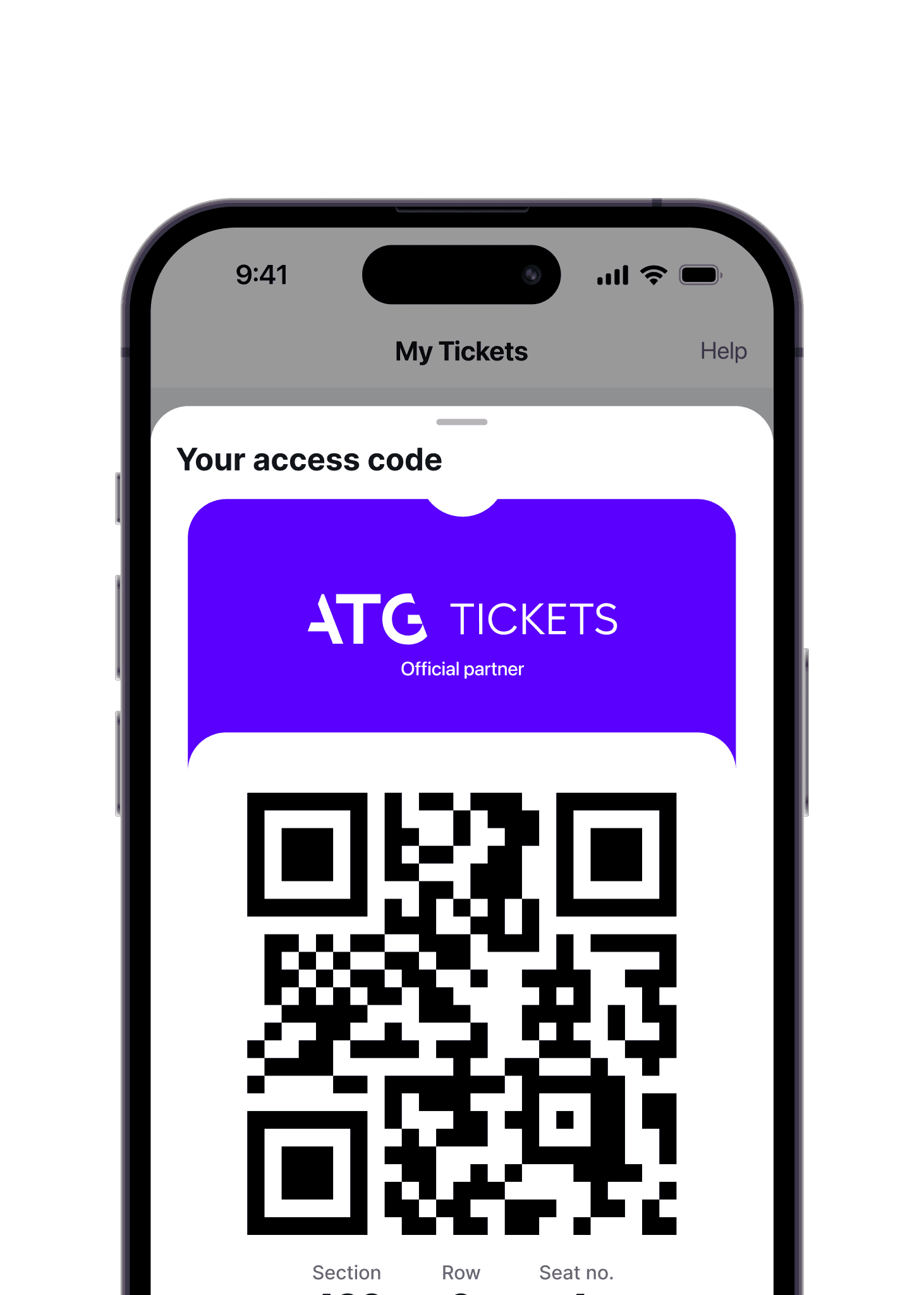
Research on consumer perceptions of StubHub (in the context of sports) shows that brand loyalty and perceived quality strongly influence people’s willingness to buy tickets via StubHub. On some social networks users report negative experiences with customer service, ticket delivery, or ticket misclassification. To tackle these challenges and accurately measure user behavior, we ran continuous user-testing sessions supported by interactive prototypes created in Figma, Make, and Cursor.
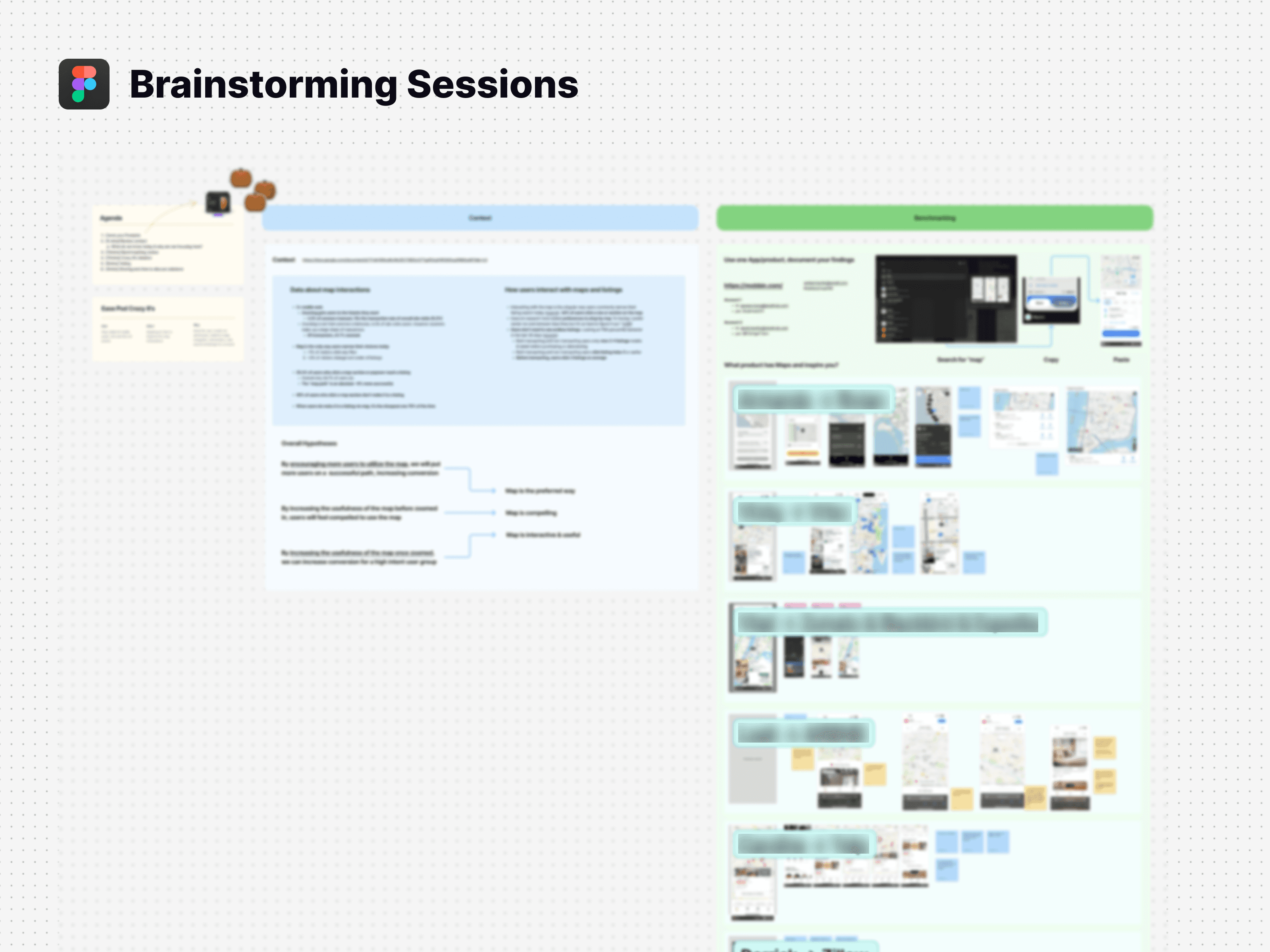
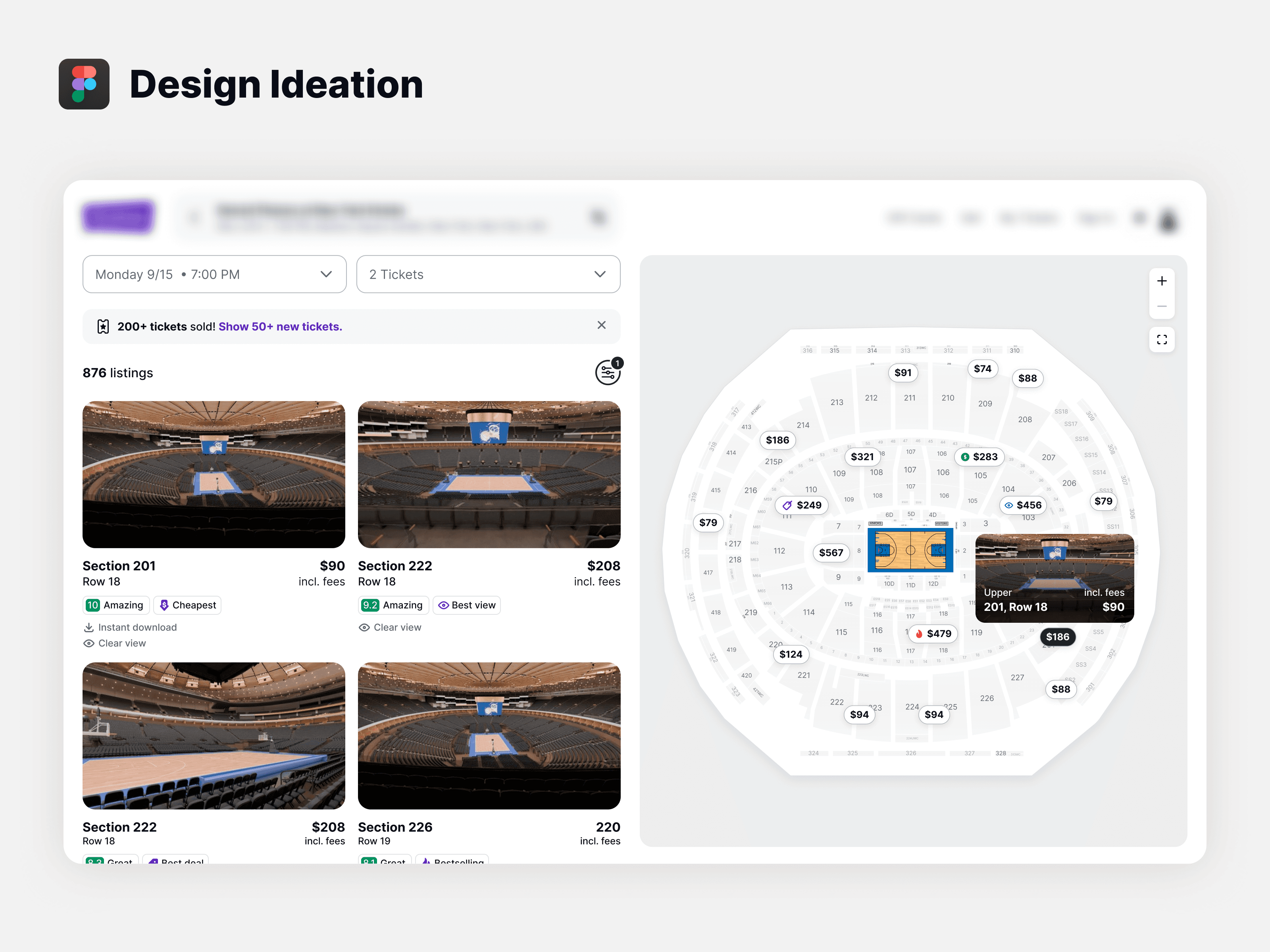
We followed a user-centered design process that blended research, brainstorming, prototyping, and continuous testing.
User research to identify pain points around ticket discovery, trust, pricing clarity, and post-purchase communication.
Cross-functional brainstorming sessions to generate solution concepts informed by real user behaviors.
Developed interactive prototypes (low- to high-fidelity) to explore and validate design directions.
Ran usability tests and experiments to observe user behavior, measure engagement, and validate assumptions.
Integrated user learnings into design improvements across flows, content, and visual hierarchy.
Refined the experience to better support ticket search and navigation and transparent pricing.
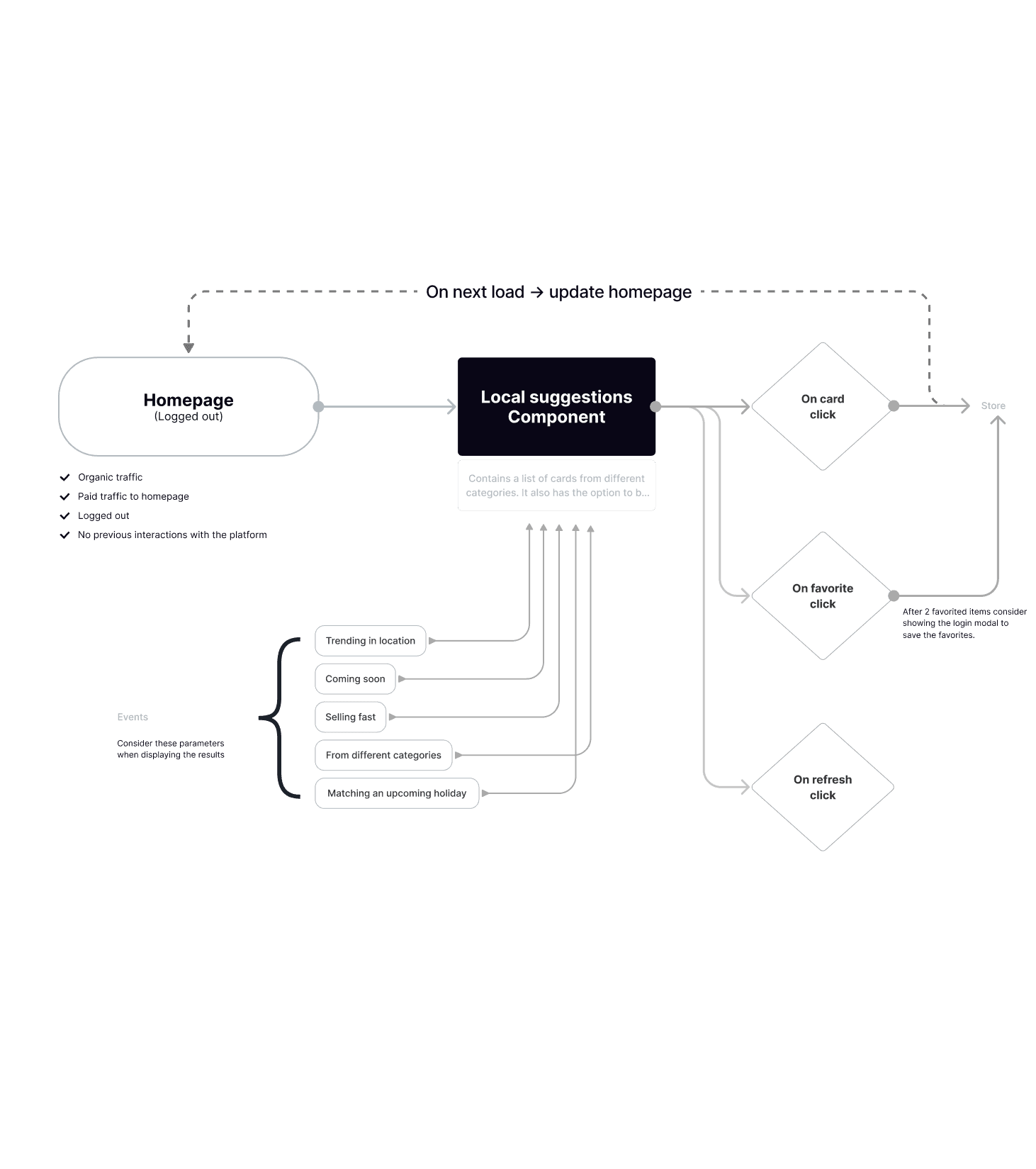
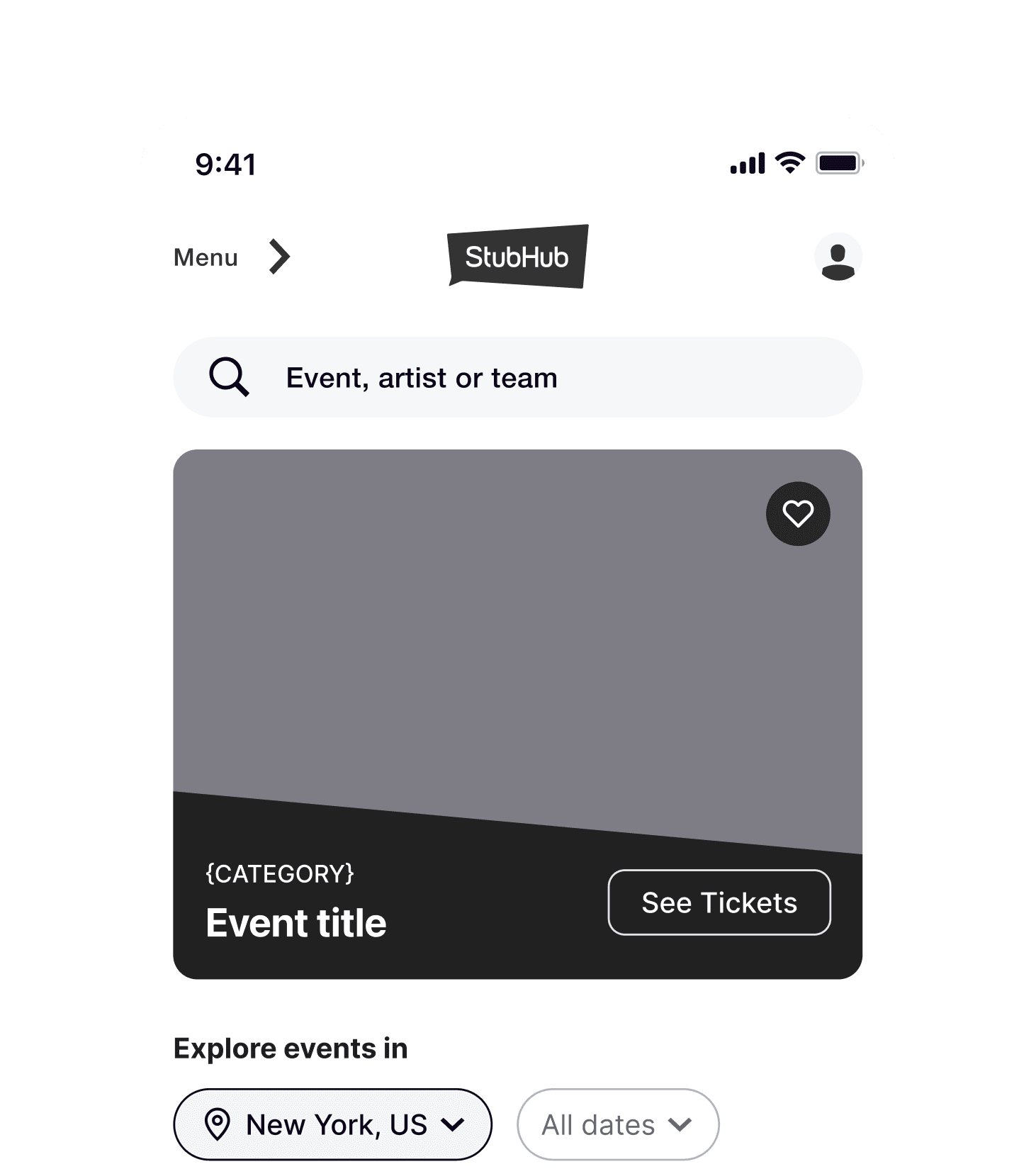
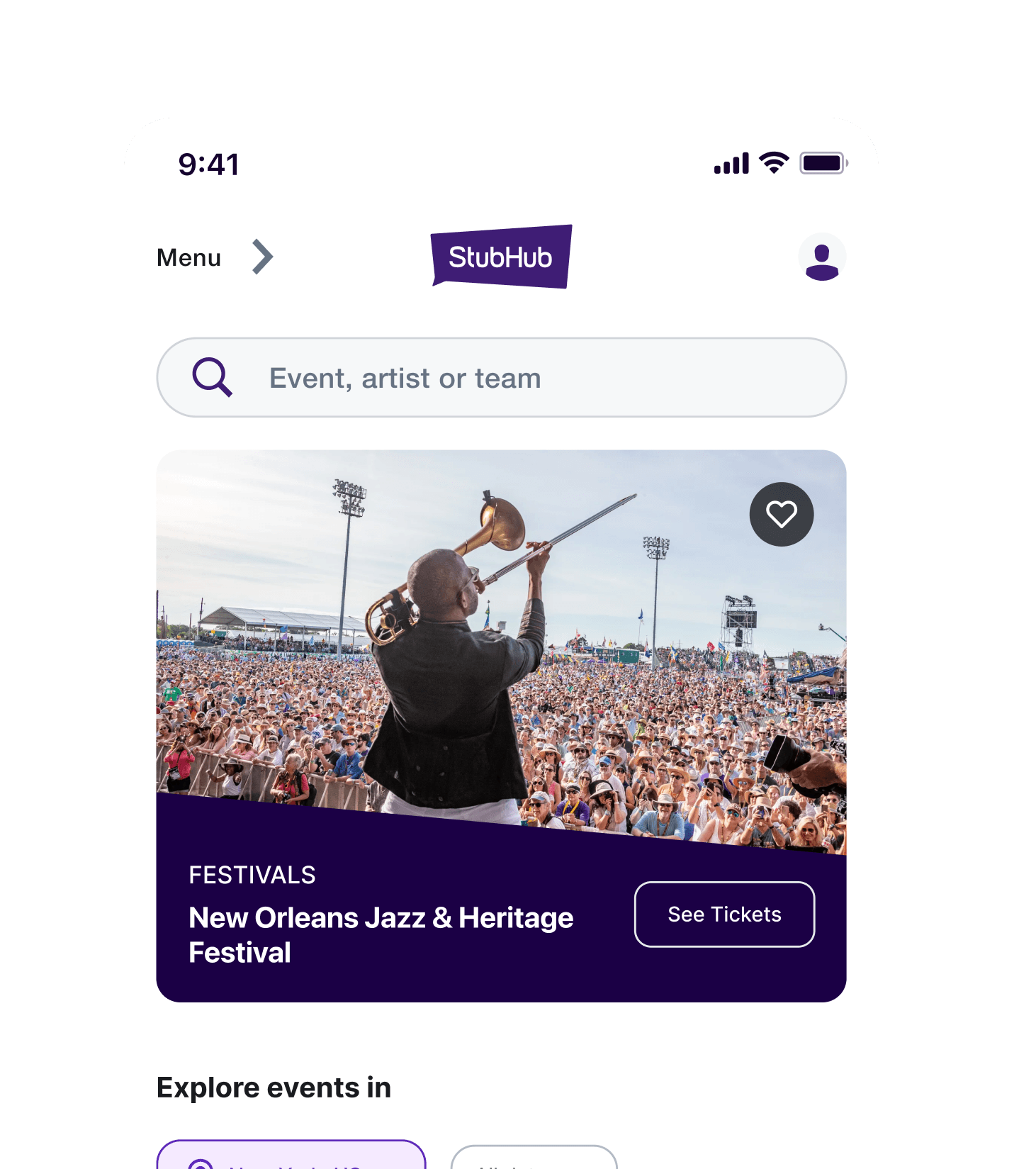
These findings highlight the most impactful results and user insights uncovered throughout the design process.
63% positive experiements
$4M saved in customer service
23% conversion increase over 3 quarters
25% cost reduction with AI prototyping