
DoorDash
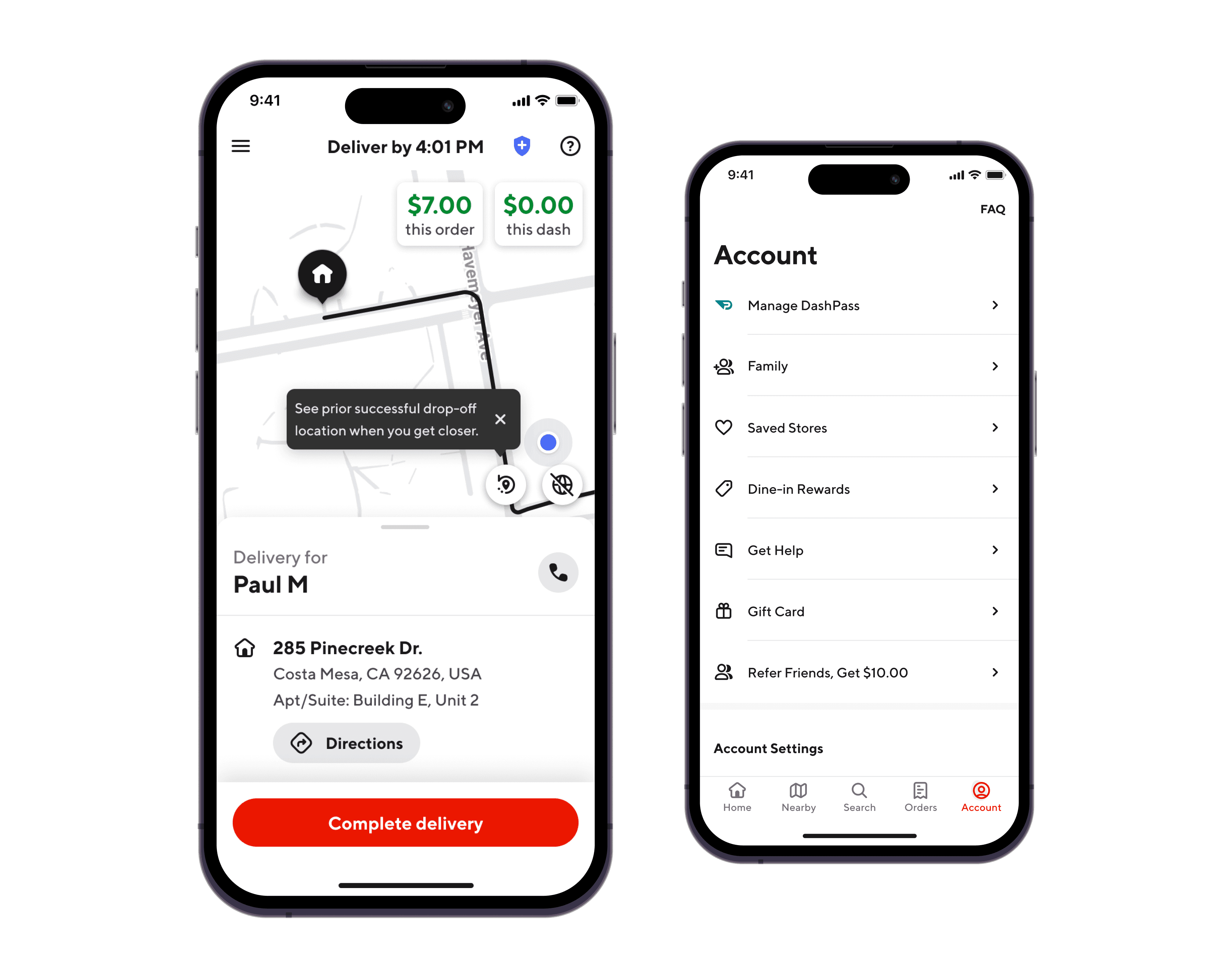
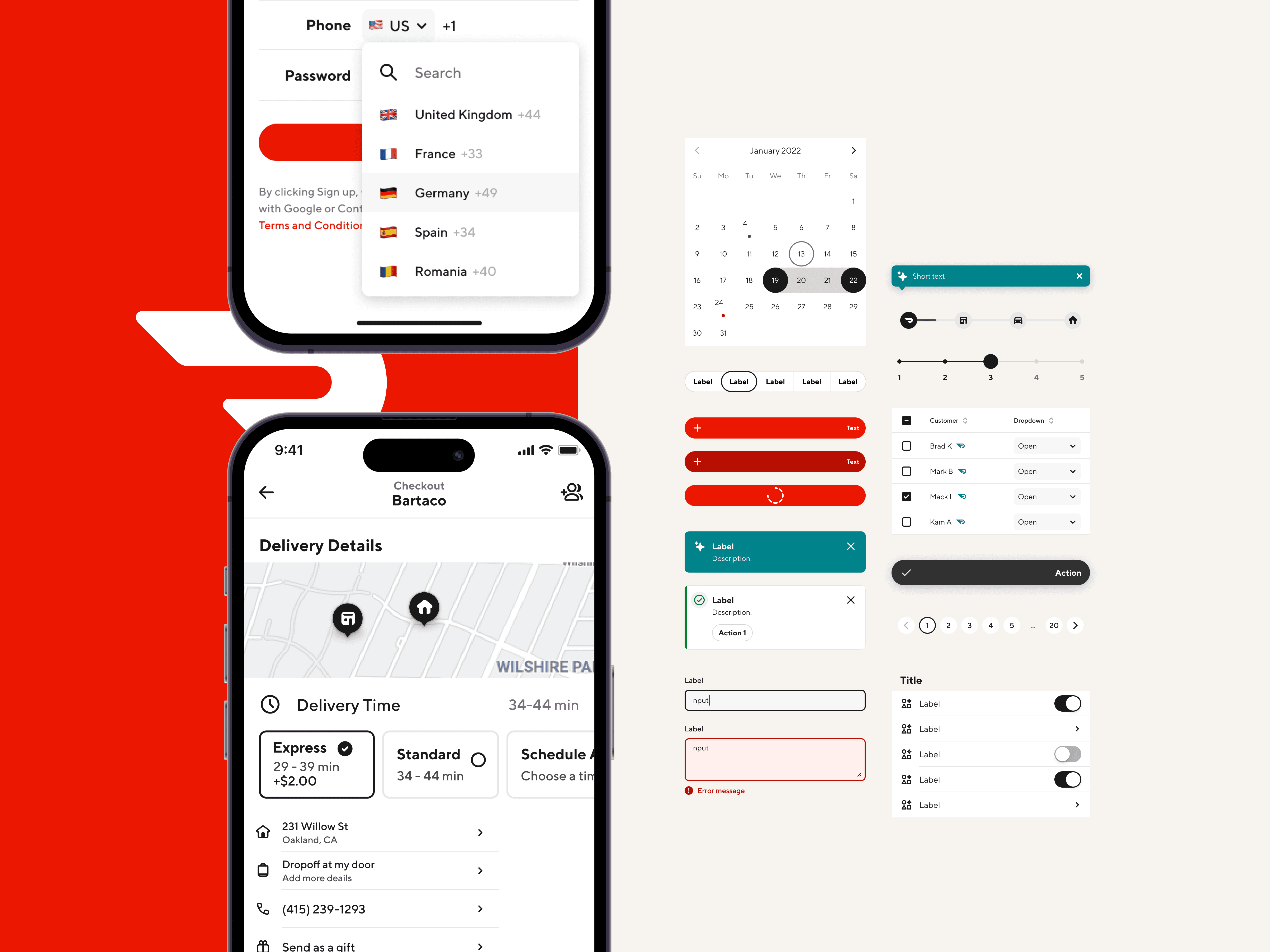
As a Product Designer at DoorDash, I worked across customer, Dasher, and merchant experiences to make every step of the delivery journey faster and more intuitive. Collaborating closely with cross-functional teams, I transformed research insights into thoughtful design solutions that improved usability and business performance. From concept to launch, I focused on creating seamless, scalable experiences that balanced user needs with operational efficiency—helping millions of people connect through food and local commerce.
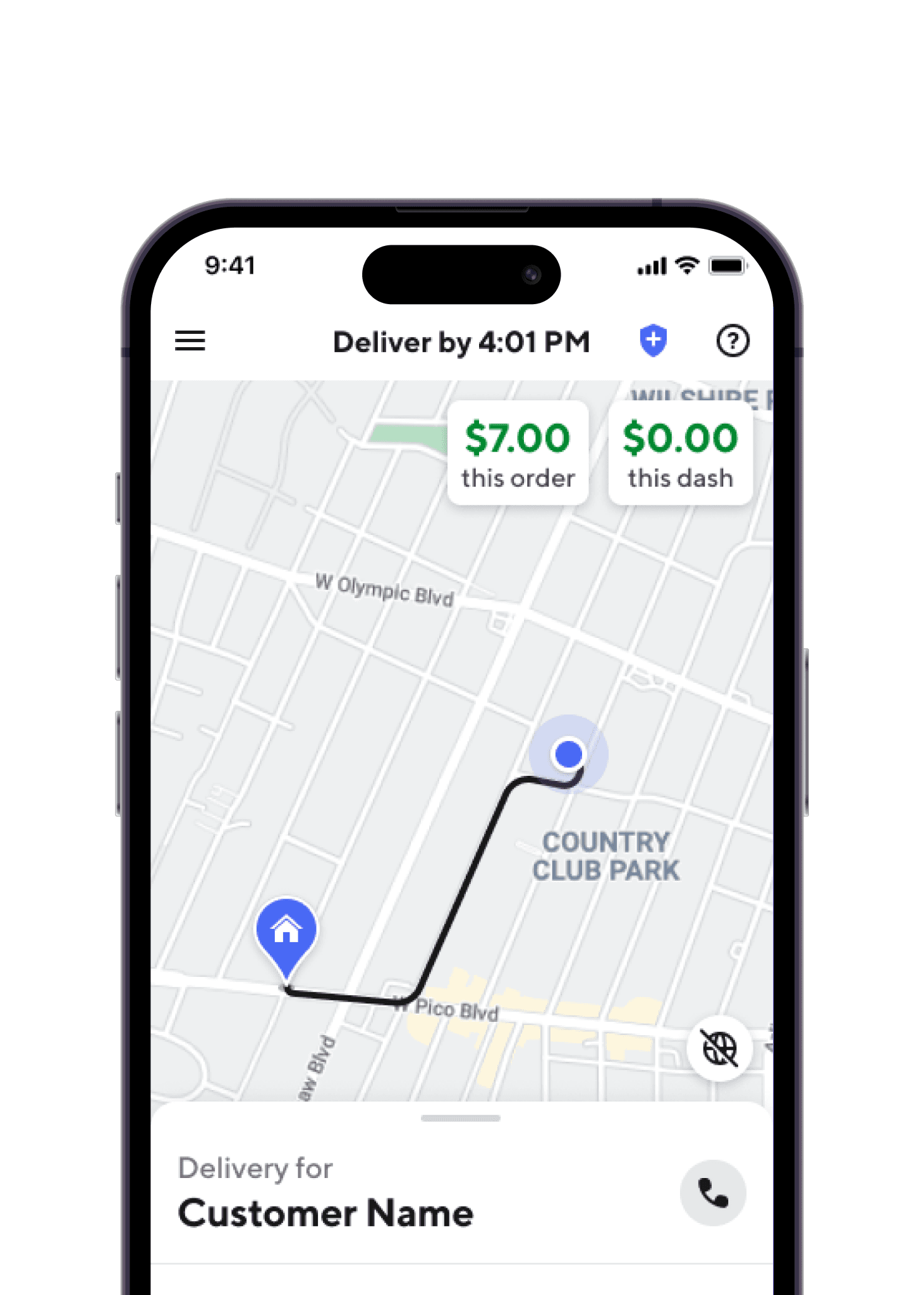
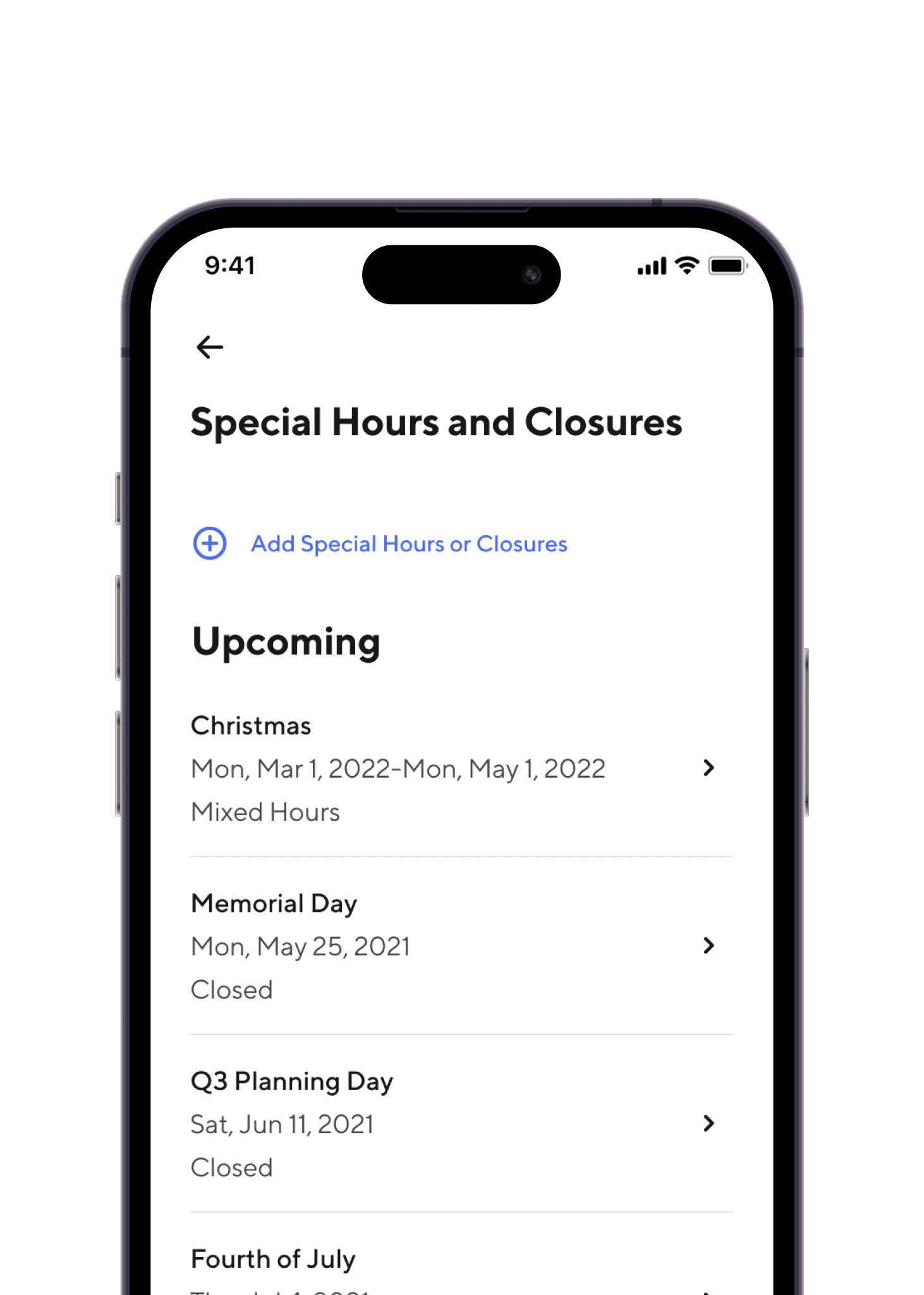
Users encounter friction throughout the ordering experience on DoorDash. Large menus and overwhelming choices can create decision fatigue, hesitation or abandoned carts. Grocery shoppers face additional frustration when substitutions occur without clear guidance or control, affecting confidence in the service. Dashers and Merchants also experience challenges that impact the overall ecosystem. Dashers sometimes struggle with pickup instructions and navigation, which can cause delays and affect satisfaction. Merchants find it difficult to manage and update menus efficiently, resulting in inaccurate item availability and potential customer frustration.
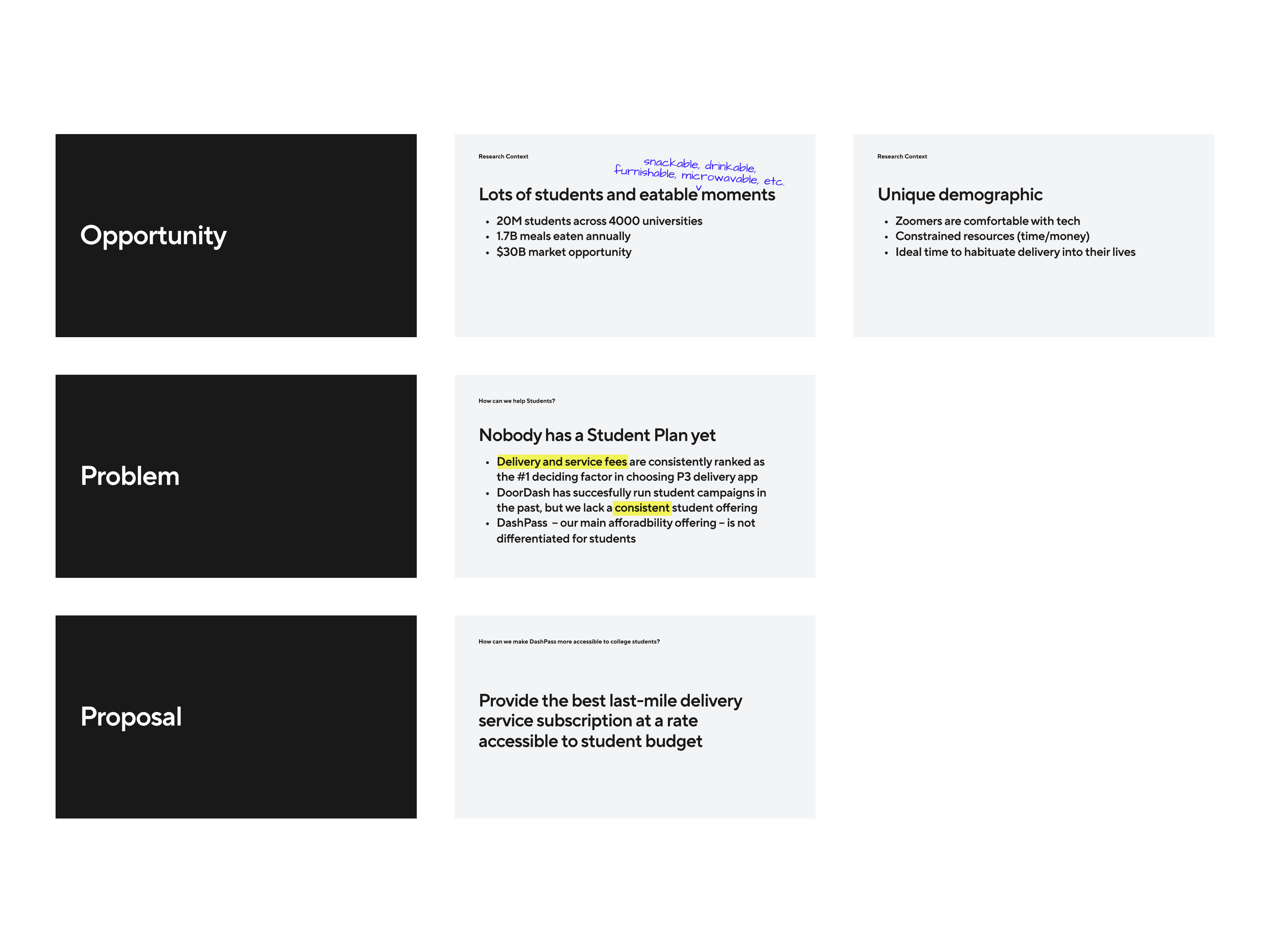
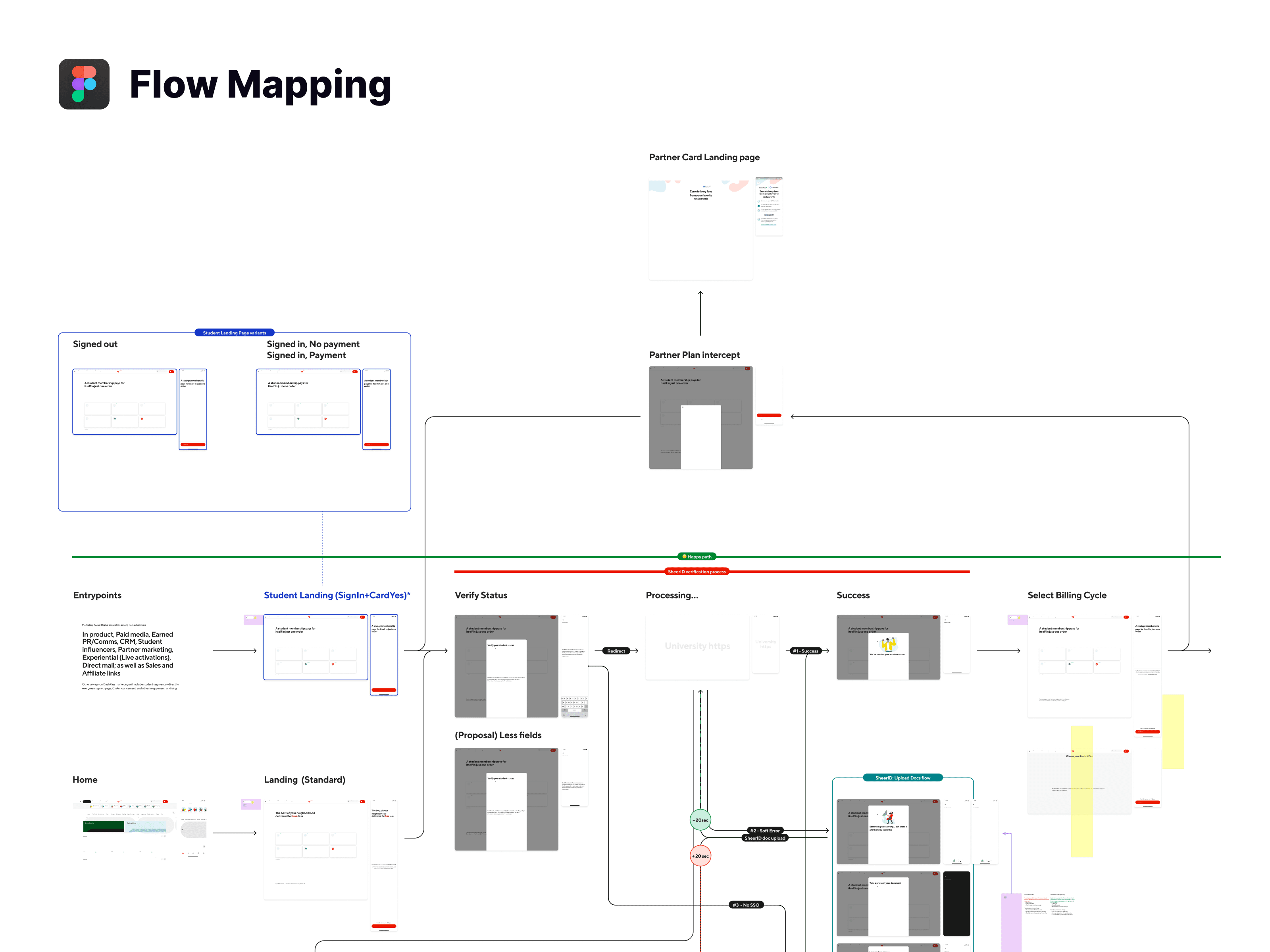
To understand user behavior and discover key pain points, we conducted interviews with frequent customers (clients, Dashers and Merchants), usability tests on checkout and isolated experiments. Interactive prototypes in Figma were then tested to validate design solutions, providing insights on clarity, trust, and overall ease of use.
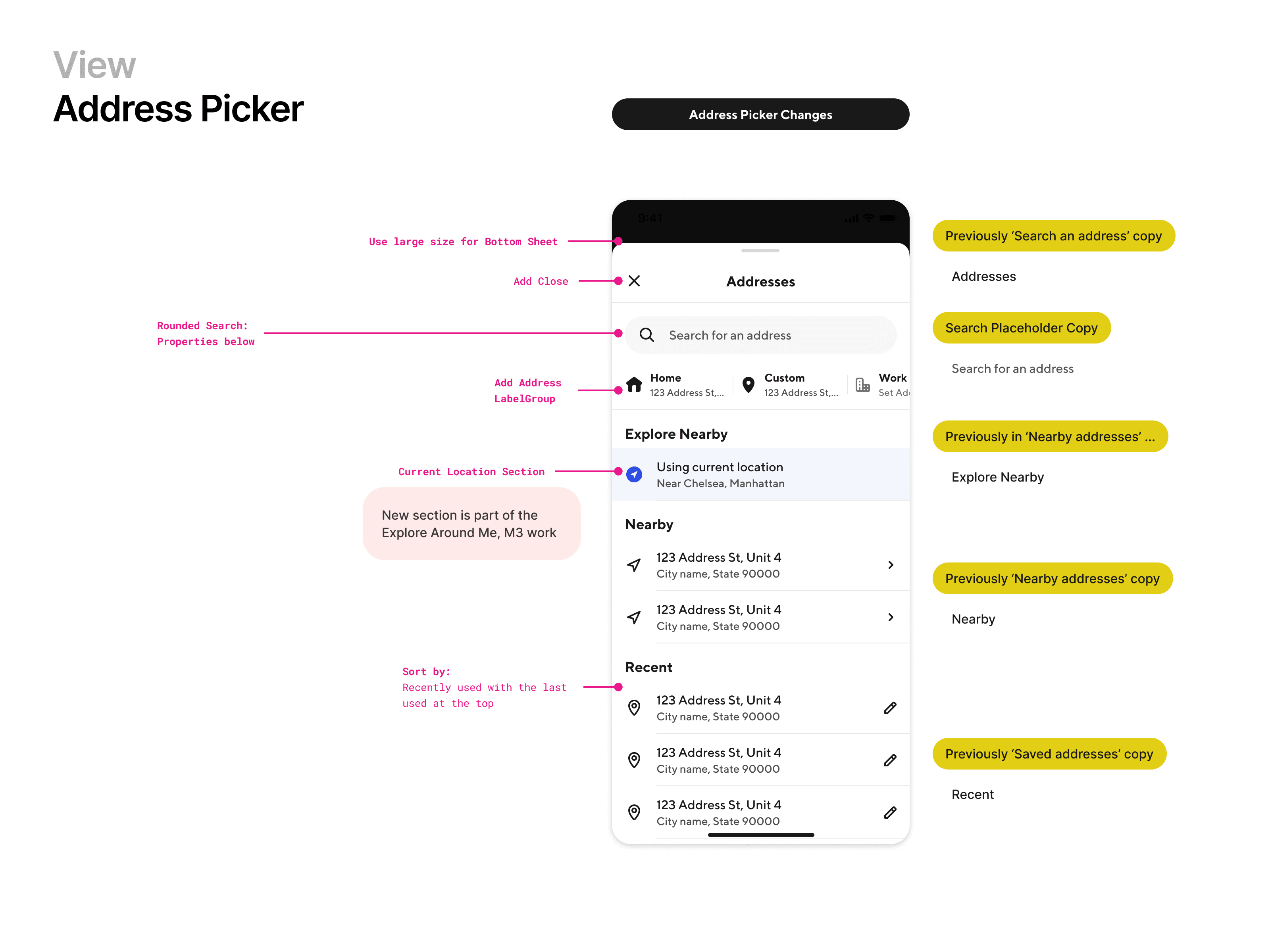
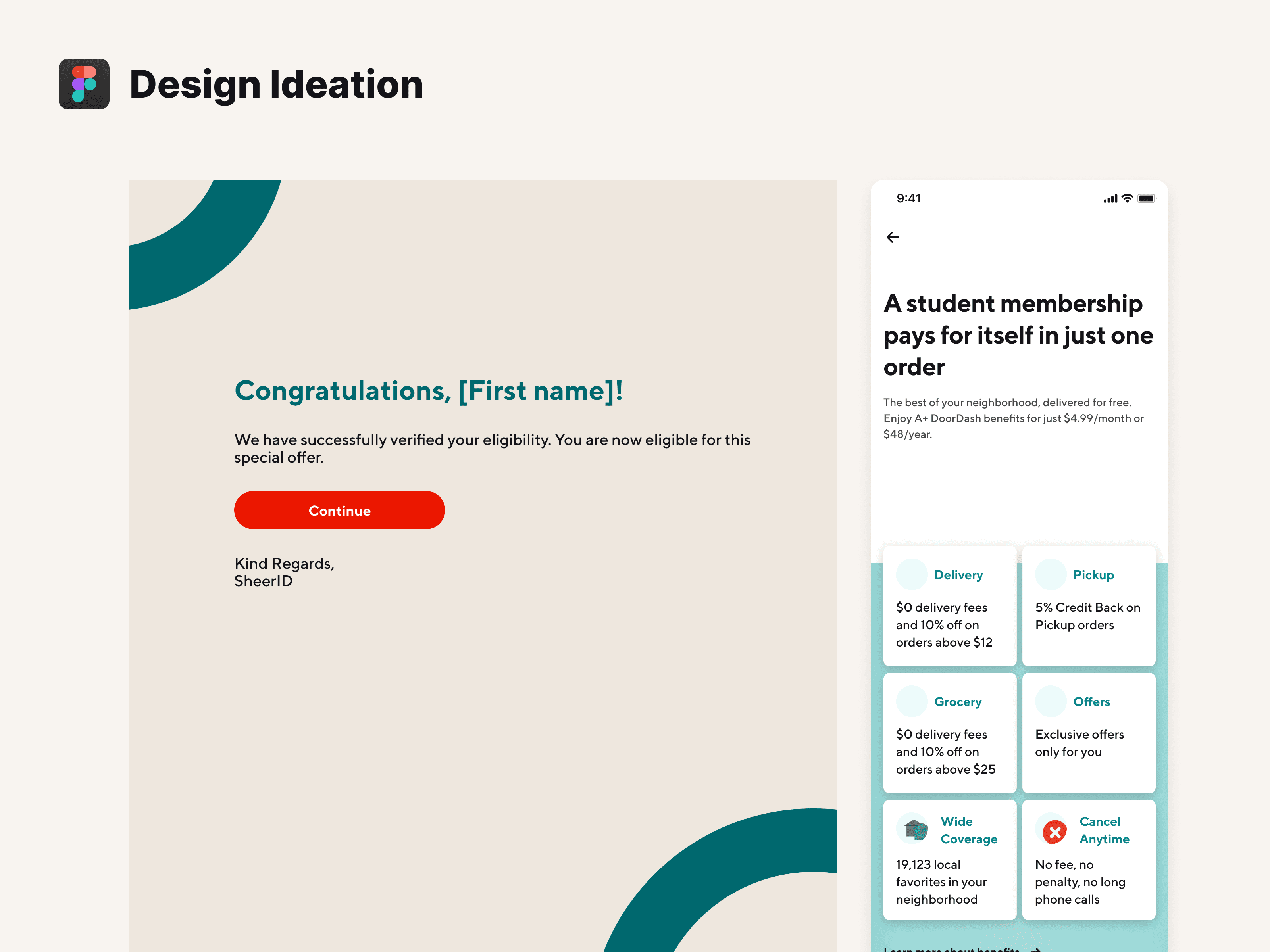
The design process was based in user research and iterative experimentation to make sure we address the user needs.
User Research: Interviews, usability tests, and journey mapping to uncover pain points across customers, Dashers, and Merchants.
Brainstorming & Ideation: Cross-functional sessions to generate solutions for all areas of the platform: customer interface, Dasher experience, Merchant platform.
Prototyping: Interactive low- to high-fidelity prototypes built in Figma to test concepts and flows.
User Testing & Iteration: Validated assumptions, gathered feedback, and refined designs based on real user behavior.
High-Fidelity UI & Design System: Polished screens and consistent components prepared for developer handoff and iterative designs based on user learnings.
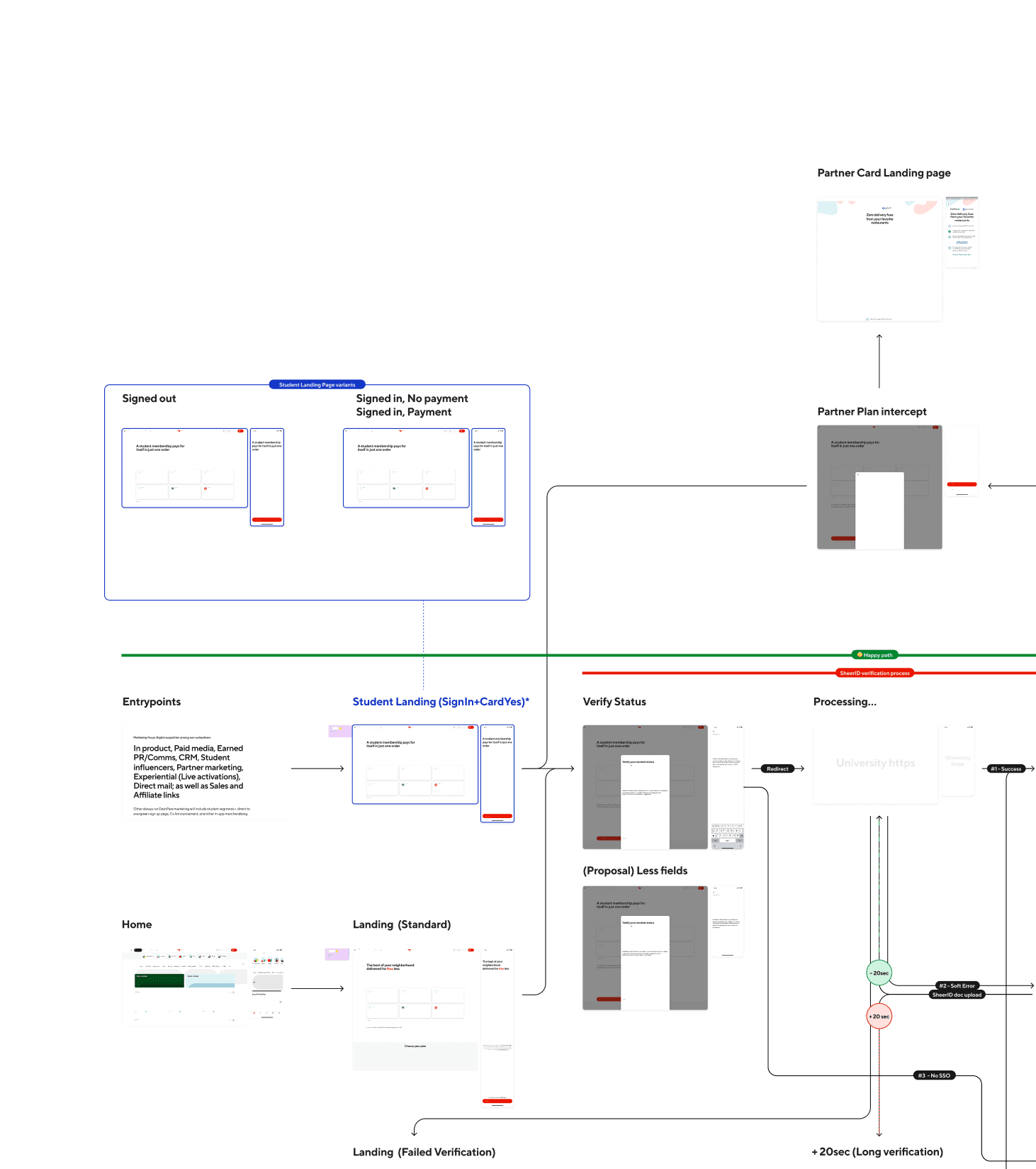
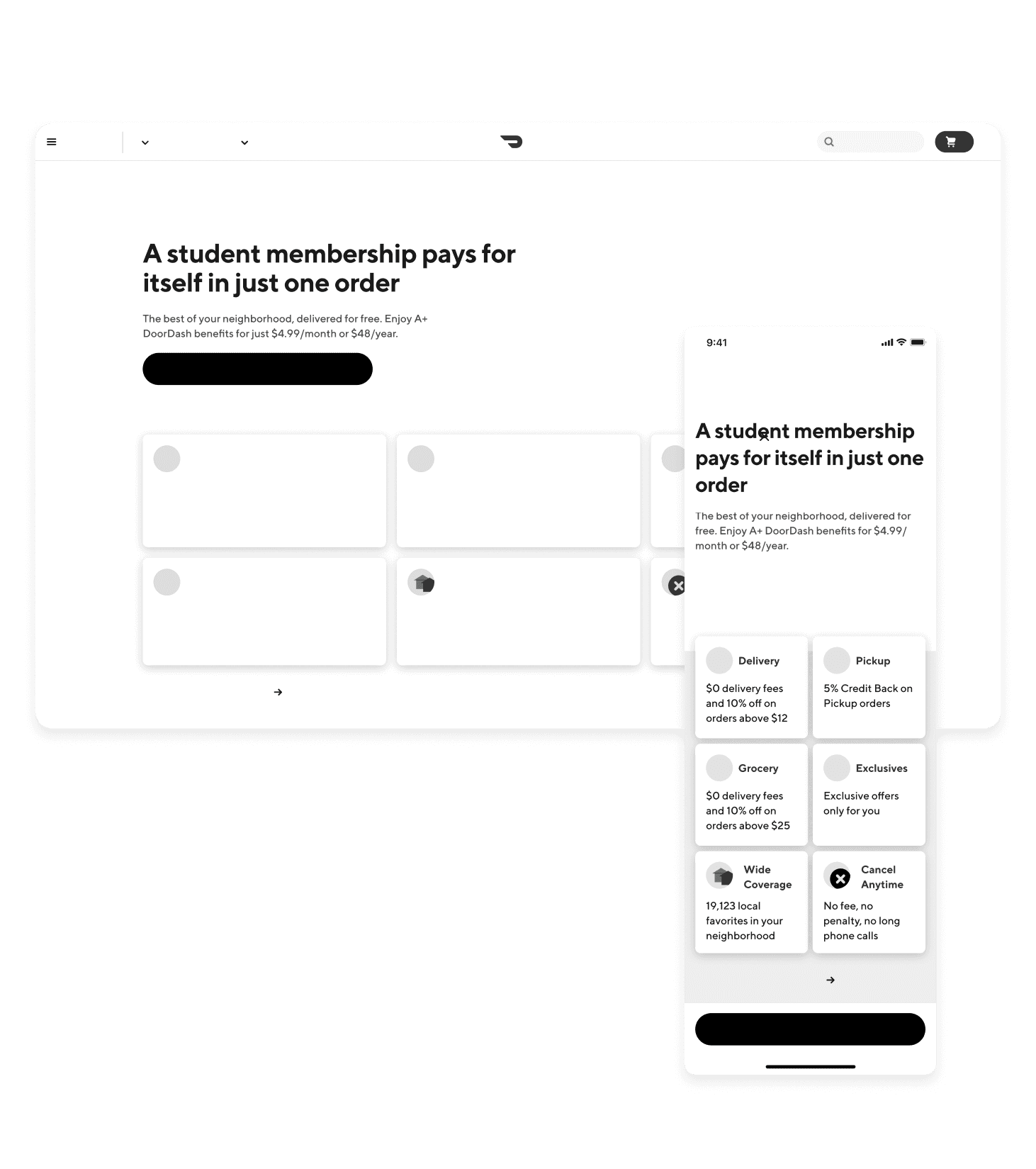
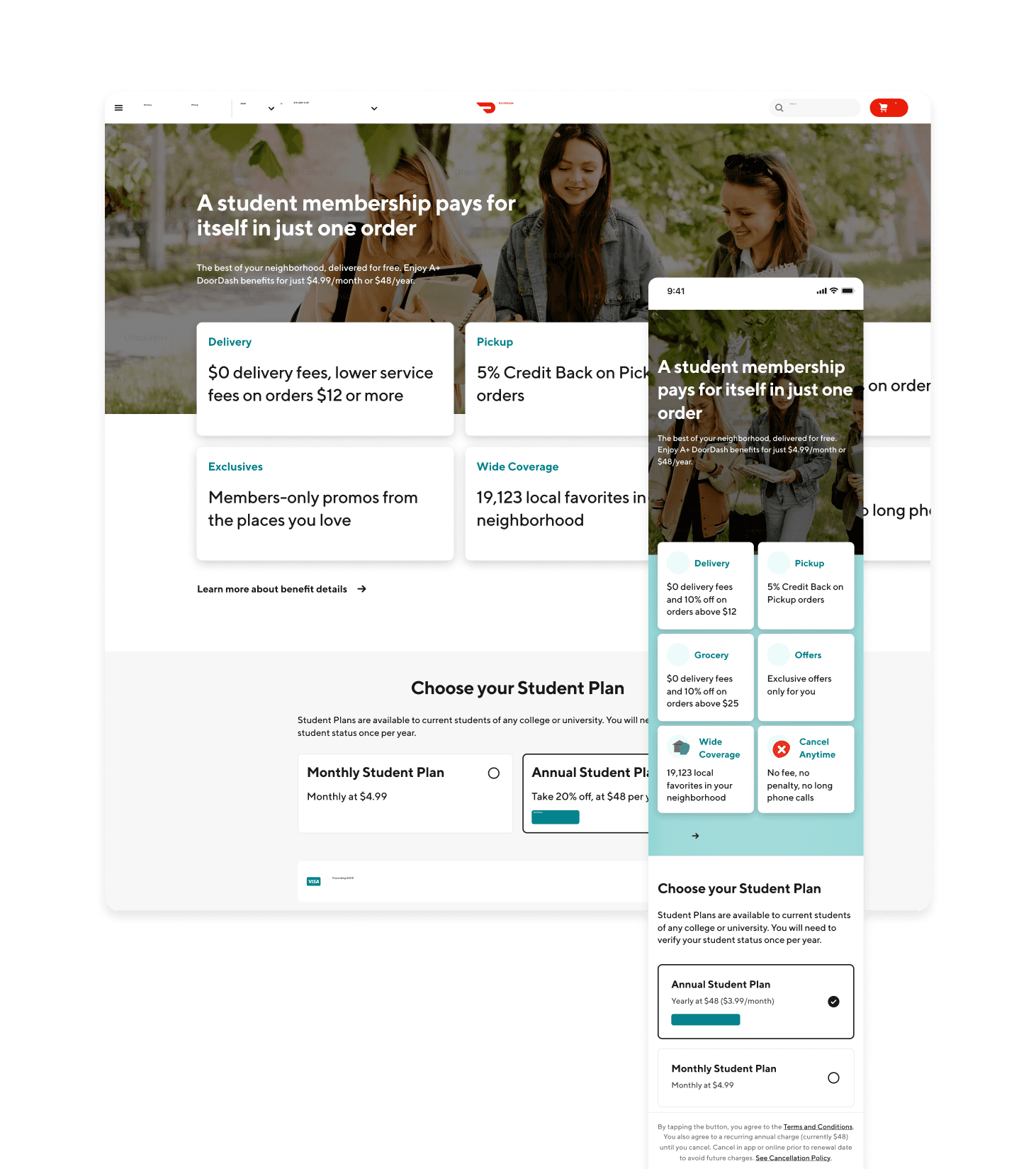
The following insights highlight the impact of the design decisions and key learnings from research and testing.
Increased successful order completion by 28%.
Easier access to critical Merchant and Dasher features.
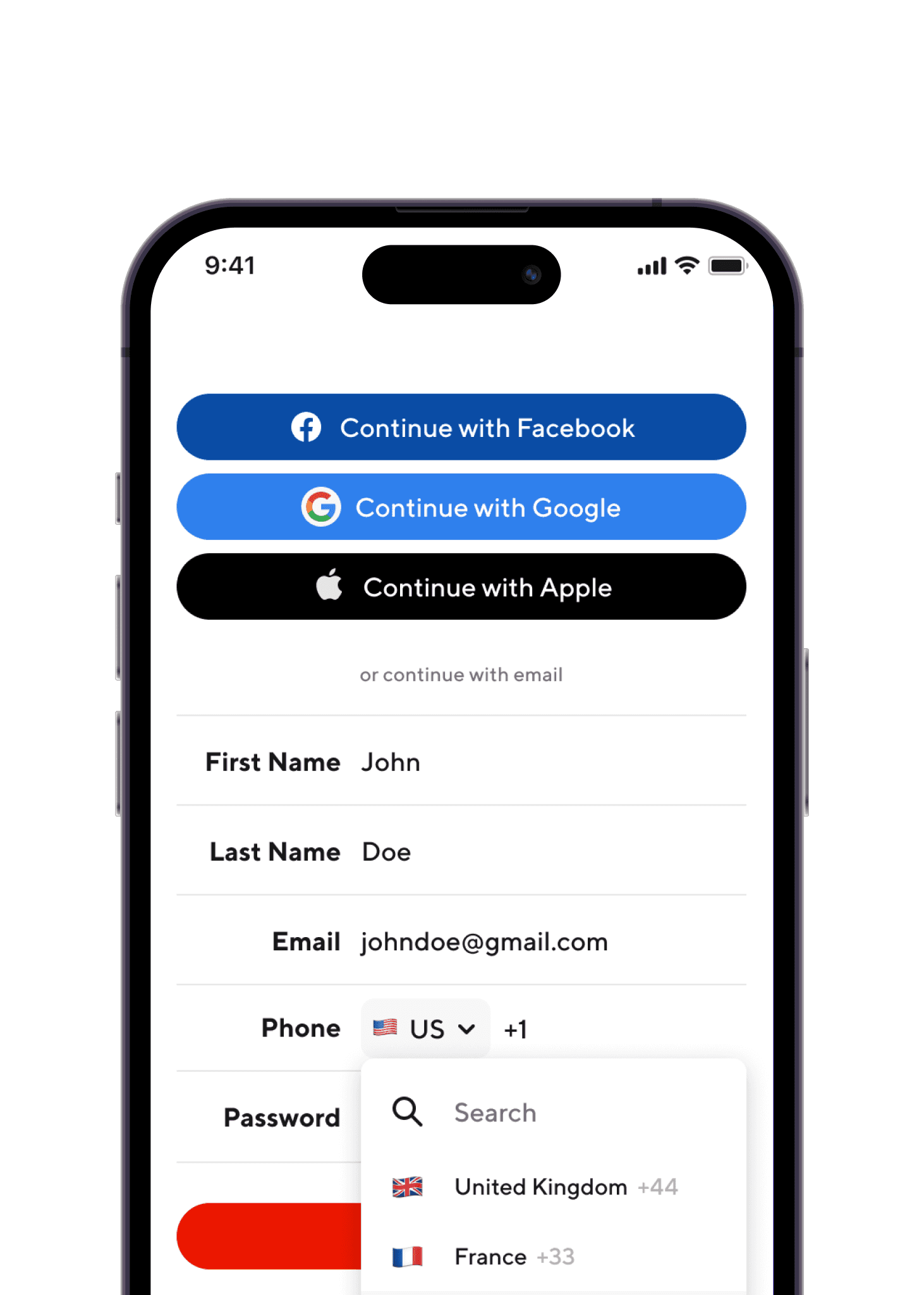
Increased Merchant oboarding with the improved and dedicated B2B tool.
Live process tracking improvements with constant feedback and accuracy.